
Categories
SEO

E-commerce SEO for the Arabic Market: The 2026 UAE National Guide

With the UAE e-commerce market surging to over د.إ45.14 billion in 2026, why are so many local brands still losing the battle for search visibility to international platforms? You’ve likely noticed that your bilingual PPC costs are skyrocketing while your organic reach for Arabic queries remains stubbornly low. The truth is that e-commerce seo for arabic market dominance isn’t achieved through simple translation; it requires a deep technical and cultural re-engineering of your digital presence to satisfy both Google’s March 2026 core update and the 11.3 million internet users across the Emirates.

It’s frustrating to see your brand authority diluted by translated content that doesn’t resonate with local sensibilities or capture high-intent search traffic. This guide promises to show you exactly how to master the complexities of RTL technical SEO and Arabic search intent to claim your share of the national market. We’ll explore how to lower your CPA through organic traffic, optimize for the latest Gemini AI search features, and implement AI-driven strategies to stay ahead of the competition in the UAE’s rapidly evolving digital economy.

Key Takeaways

  • Learn to distinguish between Modern Standard Arabic and local dialects to align your content with specific UAE search intent.
  • Move beyond simple translation by using transcreation to identify high-intent synonyms that standard keyword tools often overlook.
  • Master the technical requirements of Right-to-Left (RTL) site architecture and hreflang tags to ensure seamless performance for Arabic users.
  • Execute a specialized strategy for e-commerce seo for arabic market success by building authority through high-quality, national backlinks from UAE-based domains.
  • Prepare for the future of search by integrating AI-driven trend prediction and Generative Engine Optimization (GEO) into your e-commerce framework.

Understanding the Arabic Digital Landscape in the UAE

The UAE’s digital maturity has reached a peak in 2026. With internet penetration at 99%, the way users interact with search engines has fundamentally shifted. Early e-commerce efforts focused on English, but the real growth now lies in capturing the nuances of the local population. Understanding e-commerce seo for arabic market success starts with recognizing that Arabic isn’t a monolith. You’re dealing with Modern Standard Arabic (MSA) for formal documentation and regional dialects, specifically Khaleeji, for everyday shopping queries. While MSA is essential for technical specifications, the conversational heart of UAE commerce beats in dialect.

The opportunity here is massive. While English search results are saturated with international competitors, many high-value Arabic keywords remain surprisingly underserved. By 2026, the UAE e-commerce market has reached د.إ45.14 billion, yet a significant portion of the Arabic digital landscape is still waiting for brands to provide high-quality, localized content. Businesses that bridge this gap don’t just gain visibility; they capture a audience that is often ignored by global giants.

The ROI of Arabic Localization for National Brands

Localized platforms in the Emirates see significant conversion deltas compared to English-only sites. It’s about more than just words; it’s about cultural trust. National stakeholders and local consumers feel a stronger resonance with brands that speak their language fluently. While PPC for bilingual keywords across the UAE can cost a fortune, ranking organically for high-value Arabic terms provides a sustainable path to lower acquisition costs. Investing in e-commerce seo for arabic market visibility allows brands to build a long-term asset rather than perpetually renting space on a results page through expensive ad spend.

Search Intent Nuances: How UAE Users Search

UAE consumers have moved toward a conversational search style. They don’t just type short phrases; they ask questions. This shift is driven by the 23 million mobile connections in the country, where voice search and mobile-first queries are the default. Direct translation often misses the mark because it ignores the informational journey. A user might search for a specific product benefit using a dialect term that a standard translation tool would never suggest. Mapping these conversational paths is the key to dominating local SERPs. You must understand how the UAE consumer moves from curiosity to purchase, ensuring your content answers their specific regional concerns at every step.

Beyond Translation: The Nuances of Arabic Keyword Research

Literal translation is the quickest way to alienate a local audience. In the UAE, search behavior is deeply rooted in cultural context. Transcreation isn’t just swapping words; it’s about re-engineering your brand’s core concepts to fit the local psyche. As the UAE e-commerce market continues its double-digit expansion, the gap between basic translation and true transcreation becomes a competitive moat for national brands. You’re not just translating keywords; you’re translating intent.

Standard SEO tools frequently fail to capture high-intent Arabic synonyms. A user in Dubai might search for a specific product using very different modifiers than a user in another region. If you only target the most obvious terms, you’re missing out on a massive volume of long-tail traffic. Effective e-commerce seo for arabic market growth requires identifying these hidden gems that global tools overlook. Semantic search has become critical since Google’s 2026 updates. Search engines now prioritize the “why” behind a query, moving beyond simple string matching to understand the specific intent of the Arabic shopper.

Successful brands often rely on specialized content marketing experts to bridge this linguistic gap and ensure every piece of content serves a strategic purpose.

Modern Standard Arabic vs. Gulf Dialects

Modern Standard Arabic (MSA) is your foundation for trust. Use it for technical product descriptions, terms of service, and official brand statements. It signals professionalism and corporate authority. However, for lifestyle blogs, social media integration, and consumer engagement, Gulf phrasing is king. Using Khaleeji nuances in your copy makes your brand feel like a local neighbor rather than a foreign entity. This dialectal precision directly impacts how search engines categorize your relevance to UAE-specific results pages, especially as voice search adoption grows among national users who speak naturally to their devices.

Arabic Keyword Mapping Strategy

Don’t treat your Arabic keywords as a separate list. Map them directly to your sales funnel to ensure a cohesive user journey. Start by aligning broad MSA terms with the awareness stage. For the consideration phase, leverage dialect-heavy “how-to” queries and comparison terms. Finally, use specific transactional phrases and long-tail product names for the conversion stage. You must also prevent keyword cannibalization by ensuring your English and Arabic pages have distinct metadata and headers. Integrating these terms into image alt-text is a neglected tactic that can significantly boost your visibility in image search, which remains highly popular among UAE mobile shoppers.

E-commerce SEO for the Arabic Market: The 2026 UAE National Guide

Technical SEO for Arabic: Mastering RTL and Site Architecture

Technical SEO for the Arabic market is often where English-centric strategies crumble. It’s not enough to simply translate your copy; you must re-engineer the digital skeleton of your store. Right-to-Left (RTL) implementation is more than just flipping a CSS property. It requires a total reconfiguration of how your site loads and how users navigate. According to a UAE e-commerce market overview, consumer expectations for seamless digital experiences are at an all-time high, making technical stability a primary ranking factor in 2026.

Hreflang tags are the traffic controllers for your bilingual site. They tell Google exactly which version of a page to serve based on the user’s language settings and location. For national scalability in the UAE, getting this right is non-negotiable. If your tags are misconfigured, you risk keyword cannibalization where your English and Arabic pages fight for the same spot in search results. This technical foundation is essential for e-commerce seo for arabic market success, ensuring that search engines recognize your site as a localized authority rather than a generic global platform.

Google’s March 2026 core update placed heavy emphasis on holistic Core Web Vitals, specifically Interaction to Next Paint (INP). For Arabic sites, complex RTL layouts can sometimes slow down browser rendering. You must optimize your site speed to accommodate diverse connectivity across the Emirates, from high-speed fiber in Dubai to mobile connections on the move. Ensuring that your complex Arabic interface remains responsive and fast is the only way to maintain high rankings in a mobile-first market.

RTL Design and UX Signal Optimization

Layout direction fundamentally changes how users process information. In the UAE, Arabic readers follow a right-to-left scanning pattern, which is the mirror image of the Western “F-pattern.” If your call-to-action buttons or navigation menus aren’t aligned with these reading habits, your bounce rates will climb. High bounce rates send negative signals to search engines, dragging down your rankings. Proper Arabic typography is also critical. Standard fonts often appear cramped or illegible on mobile screens, so choosing a font like “Dubai Font” or “Amiri” can improve dwell time and overall user engagement.

URL Structure and Domain Strategy for the UAE

When targeting the UAE, you must choose between subfolders (example.ae/ar/), subdomains (ar.example.ae), or separate ccTLDs. For most national brands, subfolders are the superior choice as they consolidate link equity into a single domain. While using Arabic script in URLs (Internationalized Domain Names) can look more “local,” they often appear as long strings of gibberish when shared on social media or in emails. This can hurt click-through rates. Before finalizing your architecture, conducting a professional SEO audit report is vital to catch these technical pitfalls before they impact your e-commerce seo for arabic market performance.

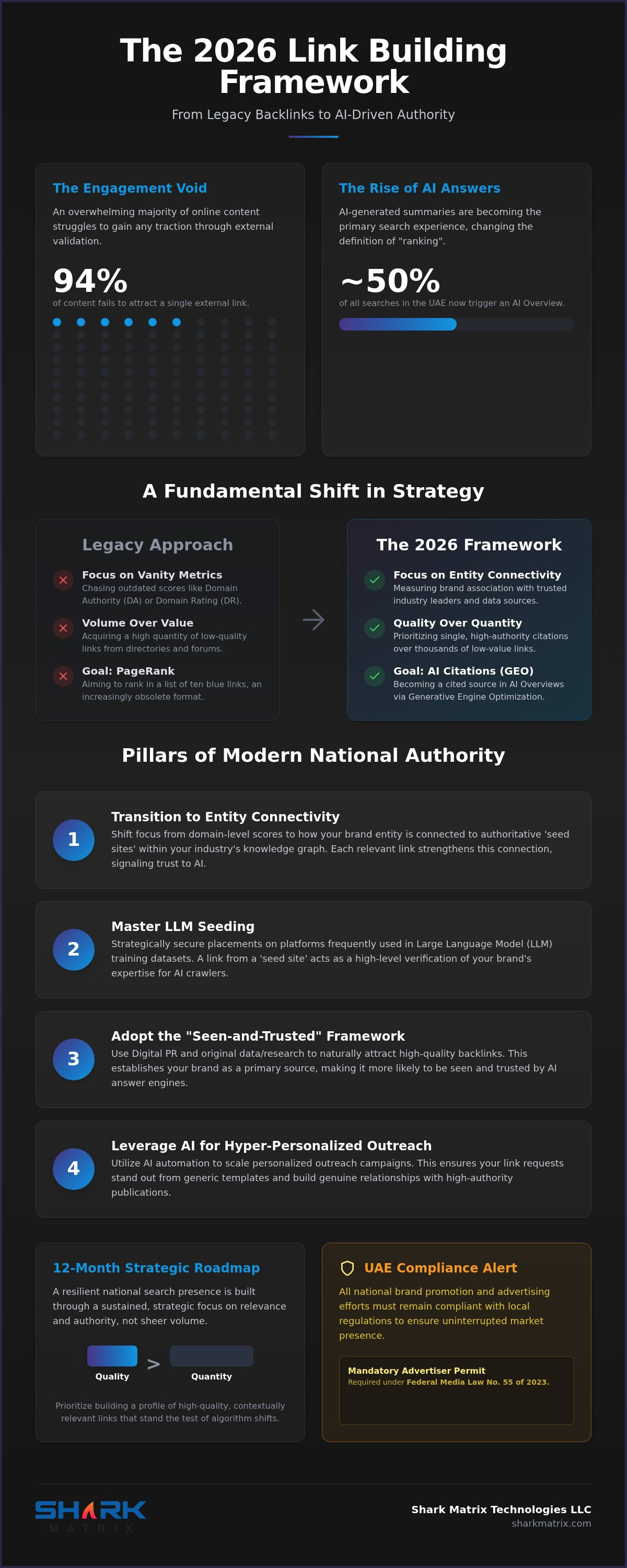
Authority in the UAE digital space is earned through local recognition. While international backlinks are useful, Google’s 2026 algorithms prioritize regional relevance for Arabic queries. A backlink from a major UAE-based news portal or a specialized Arabic industry blog carries significantly more weight than a generic global site. This local validation signals to search engines that your store is a trusted entity within the Emirates. Building this trust is a core pillar of e-commerce seo for arabic market success, as it establishes your brand as a national leader rather than a foreign visitor.

To attract these high-value links, you need link-bait content that speaks to the Middle Eastern corporate and consumer landscape. Think about publishing original data reports on local shopping trends or white papers on the UAE’s 2026 digital economy goals. These resources are highly shareable among local journalists and business influencers. Combining these efforts with strategic Arabic PR and guest posting on reputable .ae domains creates a powerful synergy. Many brands find that partnering with a content marketing agency UAE allows them to craft these narratives with the cultural precision required to earn national attention.

Arabic Content Clusters for National Dominance

Topical authority is built through structure, not just volume. Create Arabic pillar pages that cover broad industry topics, then support them with detailed cluster content addressing specific long-tail queries. This approach ensures you capture users at every stage of their search journey. You must maintain a consistent brand voice across both English and Arabic versions of your site to prevent brand dilution. Freshness is also a critical ranking factor in the UAE. Regularly updating your Arabic blog with news about local events or regulatory changes shows search engines that your content is current and relevant to the national audience.

E-commerce SEO for the Arabic Market

Your product pages are where the conversion happens. Optimize your Arabic product descriptions by focusing on high-intent keywords and specific cultural pain points. Don’t forget the power of user-generated content. Arabic reviews provide authentic social proof and inject natural long-tail keywords into your pages, boosting visibility. By integrating national e-commerce SEO strategies with localized Arabic terms, you create a search presence that is both technically sound and culturally resonant. This dual focus is what separates market leaders from those who merely exist online.

Ready to dominate the local search results? Let our team help you build a high-authority content marketing strategy that puts your brand at the center of the UAE’s Arabic digital landscape.

The Shark Matrix Approach: AI-Powered Arabic SEO Services

The UAE’s strategy to increase the digital economy’s contribution to non-oil GDP over the next decade has set a high bar for local businesses. Staying competitive in 2026 requires more than just standard optimization; it demands a shift toward predictive analytics. The Shark Matrix Technologies LLC approach uses machine learning to identify shifting Arabic search trends before they become mainstream. By analyzing data patterns from the 11.3 million internet users across the Emirates, we help you pivot your strategy in real time. This forward-looking methodology is the only way to maintain e-commerce seo for arabic market leadership in a landscape that changes weekly.

Google’s expansion of the Gemini AI search experience to include Arabic in late 2025 has fundamentally changed user behavior. Search is no longer just about a list of links; it’s about being the definitive answer in an AI-generated summary. Our Generative Engine Optimization (GEO) and Answer Engine Optimization (AEO) services ensure your brand remains the primary source for these AI responses. This is why comprehensive search engine optimization (SEO) services have become vital for national brands that want to dominate the new search reality.

Integrating AI and Automation in Arabic SEO

We use Natural Language Processing (NLP) to ensure your Arabic content isn’t just grammatically correct but contextually relevant to UAE dialects. Automation allows us to perform technical audits on massive enterprise sites, catching RTL layout errors or broken hreflang tags instantly. With 8.4 billion active voice assistants worldwide in 2026, we also focus on future-proofing your store for Arabic voice search. This involves optimizing for conversational long-tail queries that UAE shoppers use when speaking to their mobile devices, ensuring your brand is always the first answer they hear.

Protecting Your National Brand Reputation

In a hyper-connected market, your digital reputation is your most valuable asset. There is a critical synergy between national brand reputation management and your Arabic search presence. We monitor Arabic sentiment across social media and search results to ensure your brand name remains untarnished by misinformation or negative trends. By controlling the narrative in both English and Arabic, you build a resilient brand that commands respect across the entire UAE. This holistic approach ensures that your e-commerce seo for arabic market efforts result in both high rankings and high trust.

Don’t let your brand get left behind in the age of generative search. Contact Shark Matrix Technologies LLC for a National Arabic SEO Strategy and start dominating the UAE market today.

Future-Proof Your National E-commerce Strategy

Dominating the Emirates’ digital landscape in 2026 requires a shift from passive translation to active cultural re-engineering. You’ve seen how mastering RTL technical architecture and identifying high-intent dialectal keywords can transform your visibility. By moving beyond basic search tactics and embracing AI-driven Generative Engine Optimization, your brand can provide the definitive answers that local shoppers are looking for. Achieving total e-commerce seo for arabic market success is no longer an optional expansion; it’s the foundation of national brand longevity.

Shark Matrix has been a fixture in the UAE market since 2010, combining deep local expertise with cutting-edge technical capabilities. Our team of native Arabic linguists and senior technical SEO consultants specializes in navigating the complexities of the regional search market. We don’t just optimize for bots; we optimize for the cultural nuances that drive real human conversion. Take the first step toward reclaiming your organic reach and lowering your acquisition costs today. Request a Comprehensive Arabic SEO Audit for Your National Brand and lead your industry into the future of search.

Frequently Asked Questions

Is Arabic SEO different from English SEO in the UAE?

Arabic SEO is fundamentally different because it requires navigating right-to-left (RTL) technical layouts and distinct linguistic variations like Khaleeji dialects. While the underlying search engine principles remain the same, the way UAE users interact with queries is more conversational and mobile-centric. You can’t simply translate English keywords; you must re-engineer content to match the specific cultural intent of the local population.

How long does it take to see results from Arabic SEO services?

Most UAE businesses start seeing measurable organic growth within three to six months of implementing a consistent strategy. Initial gains often appear in long-tail query rankings, while high-competition head terms take longer to secure. Factors like your current domain authority and the technical health of your RTL site architecture will influence how quickly search engines recognize your localized relevance.

Do I need a separate domain for the Arabic version of my website?

You don’t need a separate domain, as subfolders like example.ae/ar/ are typically better for consolidating your site’s link equity. This structure allows your Arabic content to inherit the authority of your primary domain while clearly signaling the language target to Google. While separate ccTLDs can offer a slight local trust signal, they require significantly more resources to manage and build authority from scratch.

Can I use automated translation for my Arabic SEO content?

Raw automated translation is a major risk because it often fails to capture the cultural nuances and dialects essential for e-commerce seo for arabic market success. Machine-translated text frequently results in unnatural phrasing that alienates UAE shoppers and increases bounce rates. For high-converting pages, you need a transcreation process where native speakers adapt the message to resonate with local consumer behavior and search intent.

How do you handle Right-to-Left (RTL) technical issues?

We address RTL issues by mirroring the entire user interface and adjusting the CSS to ensure a seamless right-to-left navigation experience. This isn’t just about text alignment; it involves flipping the placement of logos, menus, and call-to-action buttons. Proper RTL execution ensures that your site meets the March 2026 Core Web Vitals standards, providing a fast and intuitive experience for mobile users across the Emirates.

What is the role of AI in Arabic SEO for 2026?

AI in 2026 is used to power Generative Engine Optimization (GEO) and predict emerging search patterns across the UAE. It helps us understand how generative search models summarize your content for users. By optimizing for these AI-driven summaries, your brand can capture the zero-click traffic that now dominates mobile search results, ensuring you stay ahead of competitors who rely on traditional methods.

How do you measure the success of an Arabic SEO campaign in the UAE?

Campaign success is measured by tracking organic traffic from Arabic-speaking regions, keyword ranking improvements, and the total conversion value in UAE Dirham (د.إ). We also look at the reduction in bilingual PPC spend as your organic visibility grows. These metrics provide a clear picture of your ROI and help us refine your content clusters to target the most profitable search intents.

Can Arabic SEO help with my brand reputation management?

Arabic SEO is a critical component of brand reputation management because it allows you to control the narrative on the first page of search results. By ranking authoritative, positive content for your brand name in Arabic, you push down negative or irrelevant mentions. This proactive approach is a cornerstone of any robust e-commerce seo for arabic market strategy, ensuring your national reputation remains protected and professional.

Categories
AEO

Mastering AEO Marketing Strategy: The 2026 Guide to Answer Engine Optimization

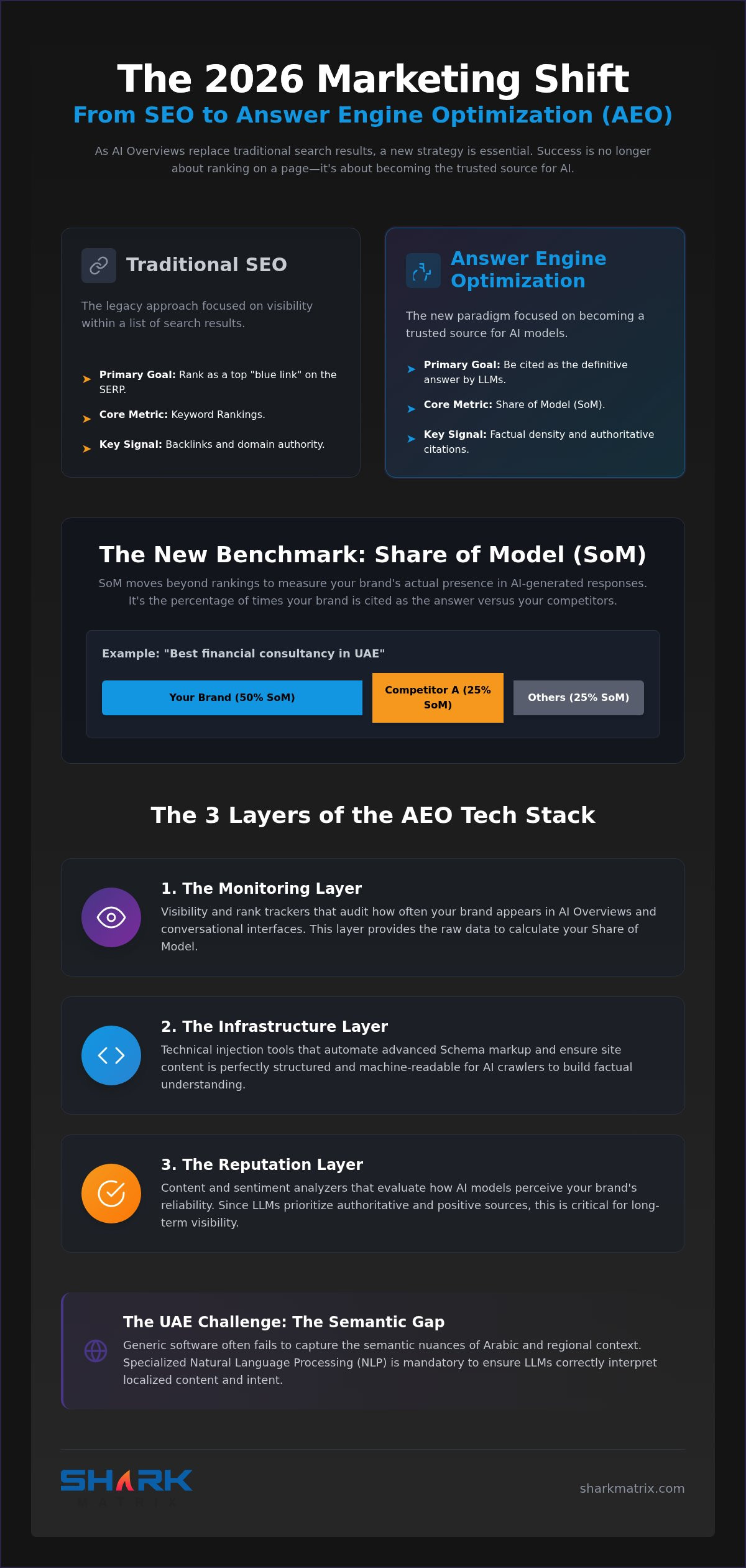
When a Google AI Overview appears, the top-ranking organic result doesn’t just lose a few visitors; it loses an estimated 58% of its clicks. With zero-click rates for these searches hitting 83% as of June 2026, a traditional search approach is no longer enough. You need a robust aeo marketing strategy to sustain your brand’s growth. You’ve likely noticed your organic click-through rates dipping despite maintaining your rankings. It’s frustrating to see AI engines summarize your hard-earned expertise while keeping users on the search page, making it harder than ever to measure the ROI of your content.

This guide will show you how to reclaim your visibility and become the definitive source for AI-driven answers. You’ll learn how to transition from traditional search rankings to becoming a trusted citation in generative engine responses. We’ll explore the specific requirements for answer engine optimization, from leveraging proprietary data to securing the high-converting traffic that now flows through AI platforms. By the end, you’ll have a future-proof plan to maintain your brand authority in an AI-first world.

Key Takeaways

  • Understand why the rise of zero-click searches makes transitioning from traditional SEO to citation-based optimization essential for 2026.
  • Learn to build a high-impact aeo marketing strategy by structuring your content for clarity and machine extraction to establish definitive brand authority.
  • Identify high-value question queries and audit your existing content to secure prominent placements in Google AI Overviews and other generative engines.
  • Discover how to convert AI-driven visibility into tangible business results by leveraging the “halo effect” of being a cited expert.
  • Explore how leveraging professional generative AI development services can help you create the proprietary data sources needed to dominate future search landscapes.

The Evolution of Search: Why AEO Marketing Strategy is Essential in 2026

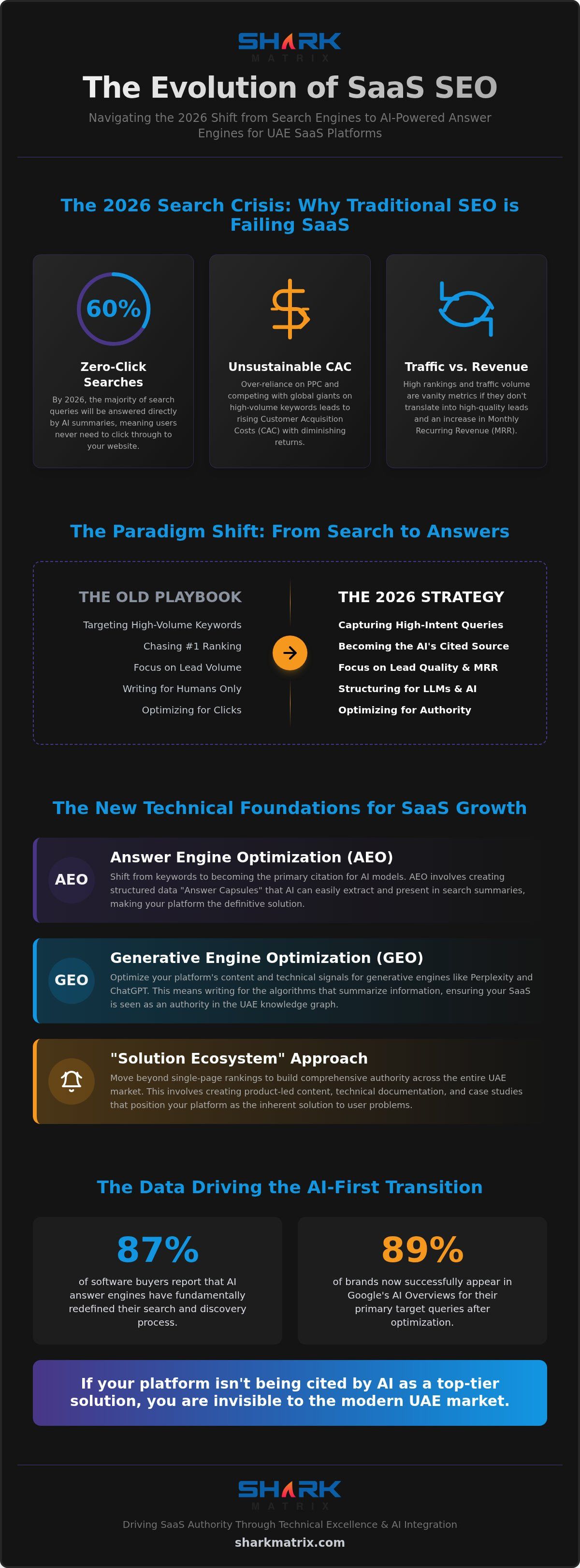
Search behavior has undergone a radical transformation. For decades, the goal was simple: rank in the top three results to capture clicks. In 2026, the landscape looks different. When Google triggers an AI Overview, the top organic result loses an estimated 58% of its clicks. This shift has turned the “zero-click” search from a minor concern into a dominant reality. Zero-click rates now reach approximately 83% for AI-enhanced queries, fundamentally altering national organic traffic patterns. To survive this, businesses must adopt an aeo marketing strategy that prioritizes becoming the definitive answer rather than just another link in the list.

AEO is the process of structuring and refining content so it is easily “digestible” for artificial intelligence. Unlike traditional SEO, which focuses on ranking for website visits, AEO focuses on earning citations. The Evolution of Search shows us that as algorithms become more sophisticated, they rely less on keyword matches and more on verified, authoritative data. If an AI engine uses your data to answer a user, your brand gains a level of authority that a standard click can’t replicate. It’s why 94% of CMOs and digital leaders plan to increase their AEO investment this year. They recognize that being the answer is now more valuable than being the third link on a page.

From Keywords to Conversational Intent

Natural Language Processing (NLP) has fundamentally changed how we interact with search engines. Users no longer type fragmented phrases; they ask complex, multi-step questions. This transition from short-tail keywords to conversational intent means your content structure must change. It’s no longer about how many times you mention a term. It’s about how clearly you answer the specific problem. Intent now dictates content structure more than keyword density ever did. This requires content that provides immediate, extractable value for both the machine and the human reader. If the AI can’t parse your solution in seconds, it won’t cite you.

The Rise of Generative Engines

The discovery journey now frequently starts and ends within platforms like ChatGPT, Perplexity, and Claude. These generative engines form a new ecosystem encompassing search, voice assistants, and chat interfaces. They prioritize factual, authoritative citations because their reputation depends on accuracy. Since 94% of AI citations come from third-party sources rather than a brand’s own site, your aeo marketing strategy must focus on building a reputation that these engines can’t ignore. Whether through voice search or a desktop chat, being the “source of truth” is the new gold standard for digital marketing. These engines are looking for expert answers and proprietary data that they cannot generate on their own.

The Core Pillars of a High-Impact AEO Marketing Strategy

A successful aeo marketing strategy rests on the foundation of perceived expertise. Large Language Models (LLMs) don’t just pick random snippets; they prioritize sources that demonstrate deep authority. Since 94% of AI citations come from third-party sources rather than your own site, your brand must exist as a verified entity across the web. This shift represents The Evolution of Search, where the goal isn’t just a high rank, but becoming the “source of truth” that an AI can’t ignore. For companies operating nationally, this authority must be maintained across both English and Arabic content to capture the full scope of conversational queries. When you secure these citations, the rewards are high; website traffic from AI search converts at 14.2%, which is five times higher than traditional organic search.

Technical readiness acts as the “API” for these engines. You’re no longer just building pages for humans; you’re providing a structured data feed that AI can parse instantly. This technical layer ensures that your expert insights aren’t buried under layers of fluff. If you want to see how these elements combine, partnering with an expert in answer engine optimization can help bridge the gap between traditional content and AI-native delivery. By treating your website as a data source, you make it easier for machines to extract facts, definitions, and unique perspectives that LLMs can’t generate on their own.

Content Structuring for Machine Readability

To win, adopt the Inverted Pyramid style by leading with the core answer immediately. AI engines value efficiency, so using Q&A blocks and “TL;DR” summaries provides the exact “extractable” facts they need. Answer-First Content, defined as the practice of delivering a direct, factual solution to a user’s query within the first 100 words of a page, serves as the primary requirement for AEO success. This format allows machines to identify your site as the primary source for a specific answer without wading through unnecessary context.

Advanced Schema and Structured Data

Structured data is the primary bridge to the global Knowledge Graph. You should implement specific markups to clearly define your information for AI scrapers, such as:

  • Dataset Markup: To highlight proprietary research and unique data points.
  • FAQ Markup: To provide direct answers to common industry questions.
  • Speakable Markup: To optimize for voice-activated answer engines and assistants.

These technical signals tell the engine exactly what your content is and why it’s a verifiable fact. Integrating these elements with professional technical SEO services ensures your site’s architecture is ready for the demands of generative engines and the future of search discovery.

Mastering AEO Marketing Strategy: The 2026 Guide to Answer Engine Optimization

Optimizing for AI Overviews and Generative Engine Optimization (GEO)

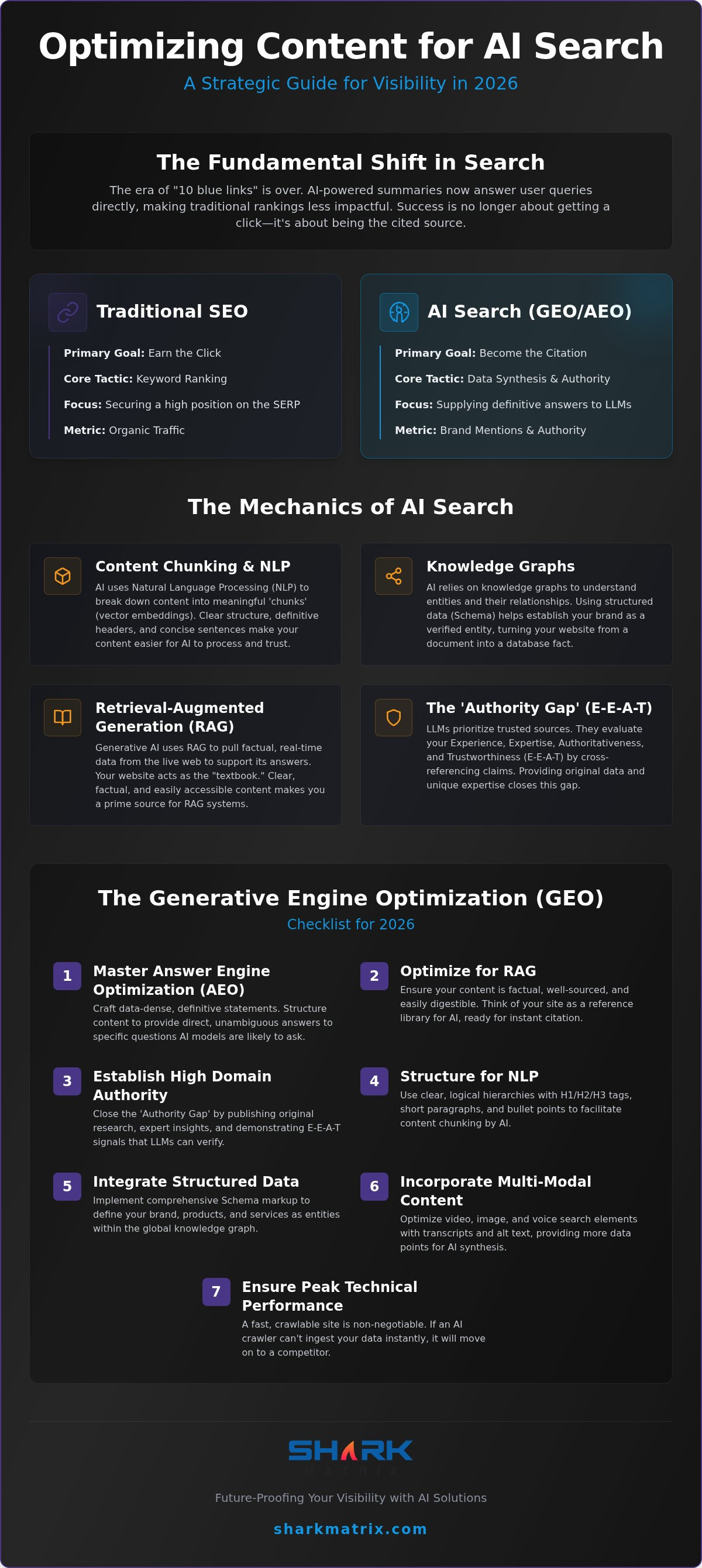
AI Overviews appear in approximately 25% to 60% of Google searches. This high prevalence means your aeo marketing strategy must prioritize visibility within these generative summaries. Winning a citation isn’t just about traditional rankings. Only 17% to 38% of pages cited in AI Overviews actually rank in the top 10 organic results. This proves that Optimizing for AI Overviews requires a different set of tactics than standard SEO. You should start by auditing your existing high-performing pages to identify facts and definitions that an AI can easily extract.

A key component of GEO is the implementation of “Nugget” content. These are small, highly factual blocks of text designed for machine consumption. Instead of burying a key definition in the middle of a narrative, you place it in a standalone, clear sentence. This makes it easier for LLMs to cite your brand as the primary source of truth. You’ll need to monitor your citation frequency using modern AI-tracking tools to see which “nuggets” are gaining traction and which need refinement. If your data isn’t being picked up, it’s likely not structured clearly enough for the engine’s scraper.

Winning the AI Citation: A Step-by-Step Approach

Securing a spot in a generative response requires a disciplined editorial workflow. Follow these steps to improve your chances:

  • Step 1: Identify the “Seed Question” behind the user intent. What specific problem is the user trying to solve?
  • Step 2: Provide a concise, 40 to 60 word answer at the top of the page. This is the prime real estate for AI extraction.
  • Step 3: Support the answer with data, expert quotes, and unique insights that a machine cannot invent.
  • Step 4: Use clear H3 headings to break down complex sub-topics, allowing the AI to parse the hierarchy of your information.

The Role of Digital Reputation in AEO

LLMs don’t just look at your website; they look at what the rest of the web says about you. Since 94% of AI citations come from third-party sources, your digital reputation is a primary ranking factor for AEO. This makes brand reputation management a critical part of your optimization workflow. If third-party reviews or industry mentions are negative or inconsistent, an AI is less likely to trust your content as a factual source. You must manage the sentiment of the data sources that LLMs use to train their responses to ensure your brand is perceived as an authority.

Converting AEO Visibility into Business Results

Gaining visibility in an AI Overview is only half the battle. The real challenge lies in turning that citation into revenue. While the high zero-click rate might seem discouraging, 97% of digital leaders reported a positive impact from AEO on their marketing funnel in 2025. This success stems from the “Halo Effect,” where being cited as an authoritative source builds top-of-mind awareness that transcends a single search session. A comprehensive aeo marketing strategy ensures that when a user is ready to buy, your name is the first they recall, even if they didn’t visit your site during the initial research phase.

In the B2B buyer journey, research often happens within generative engines long before a lead ever lands on your website. By dominating these answers, you position your brand as the industry standard. Success here isn’t just measured by clicks; it’s measured by “Share of Model.” This metric tracks how often an LLM suggests your brand versus your competitors. Tracking brand sentiment within these AI responses is equally vital. If the AI describes your solution as “reliable” or “industry-leading,” you’ve already won the trust battle before the first sales conversation even begins. This early authority makes your aeo marketing strategy a powerful tool for lead generation.

Capturing the “Invisible” Lead

An “invisible” lead is a user who learns about your brand through an AI answer but doesn’t click through immediately. To capture these users, your brand name must be optimized for easy recall and distinct identity. Consistent messaging across web, social, and AI platforms ensures that your value proposition remains clear regardless of the discovery channel. A smart way to close this loop is by linking your AEO efforts with professional PPC management. By running targeted ads for the specific questions you answer in AI results, you create a second touchpoint that captures high-intent users who are ready to move from the research phase to a conversion.

AEO for E-commerce and Lead Gen

For e-commerce, answer engines are becoming the primary tool for product comparisons and “Best of” queries. To compete, your web development must prioritize fast, crawlable, and highly structured product data. If your site architecture doesn’t allow an AI to instantly extract prices, features, and reviews, you’ll be left out of the comparison entirely. We’re moving toward a future of “Action Engines,” where AI agents will book meetings or complete purchases directly for the user. Preparing your technical foundation now is the only way to stay relevant in this automated landscape. These systems rely on high-quality data feeds to make decisions on behalf of the consumer. If you’re ready to modernize your funnel, our team can help you maximize your visibility in AI search results today.

Future-Proofing Your Strategy with Shark Matrix AI Solutions

Adopting a forward-thinking aeo marketing strategy requires more than just high-quality writing. It demands a technical foundation that aligns with how Large Language Models (LLMs) process information. Shark Matrix takes an AI-native approach to digital marketing, moving beyond traditional content silos to build a 360-degree presence. As 93% of business leaders choose to build their AEO and GEO capabilities in-house or through specialized partners, the need for a technical-first agency has never been greater. We focus on transforming your brand from a participant in search to a primary data source for the next generation of discovery engines.

A critical gap in many global strategies is the lack of bilingual optimization. For national markets like the UAE, your aeo marketing strategy must be effective in both English and Arabic. LLMs use different tokenization patterns and training sets for these languages, meaning a citation in one doesn’t guarantee visibility in the other. Shark Matrix specializes in bridging this linguistic divide, ensuring your brand authority remains consistent across regional generative responses. We combine our deep understanding of natural language processing services with local market expertise to protect your share of voice in every relevant language.

Proprietary data is the ultimate currency in an AI-first world. AI models prioritize verified, unique information that they cannot synthesize on their own. Our team provides generative ai development services to help you build and structure these data sources, making your brand indispensable to answer engines. By creating original research and structured datasets, you move from competing for keywords to owning the facts that define your industry. This technical excellence, paired with strategic content marketing, ensures your brand is ready for the next decade of search evolution.

Beyond Search: AI Automation and Custom Solutions

The future of brand discovery extends into private AI environments. Leveraging our ai automation services allows you to streamline content production while maintaining the strict data structures required for AEO. We help national enterprises build “Brand-Owned” GPTs and custom assistants that serve as internal and external answer engines. These custom solutions ensure that when users interact with AI, they receive accurate, brand-aligned information directly from your proprietary knowledge base.

Your National Partner for Digital Growth

The Shark Matrix advantage lies in the intersection of technical mastery and marketing strategy. We don’t just optimize for today’s algorithms; we build the infrastructure for tomorrow’s AI agents. Whether you need machine learning development services to analyze search patterns or a complete overhaul of your structured data, our team provides the expertise needed to stay ahead. The transition to an AI-first search landscape is happening now. Contact our experts to audit your AEO readiness and secure your brand’s place as a definitive source of truth in the generative era.

The shift from organic clicks to AI-driven citations represents a permanent evolution in digital discovery. To maintain authority, you must transition from traditional keyword targeting to a structured, data-first approach that prioritizes machine readability. Success in 2026 requires a flawless digital reputation and the technical infrastructure to serve as an authoritative source for both search engines and generative models. Embracing these changes now allows your brand to capture high-intent users who are moving away from traditional list-based results.

Integrating a comprehensive aeo marketing strategy is the most effective way to secure your brand’s visibility in a zero-click world. Shark Matrix has been at the forefront of technical marketing since 2010, helping high-growth brands scale through deep expertise in AI automation and generative engine optimization. We provide the national digital marketing solutions necessary to thrive in an increasingly automated landscape. Our team’s technical focus ensures that your content isn’t just seen, but cited as the primary source of truth.

Partner with Shark Matrix for a future-proof AEO and SEO strategy today. Your brand’s journey toward becoming the definitive answer starts here. We’re ready to help you lead the way.

Frequently Asked Questions

What is the main difference between SEO and AEO?

SEO focuses on ranking web pages to drive traffic, while AEO focuses on providing clear, extractable answers to earn citations in AI-driven responses. While traditional SEO aims for the click, AEO aims to be the “source of truth” that a machine summarizes. It’s a fundamental shift from positioning your website as a final destination to positioning your content as a reliable data provider for AI models.

How do I measure the success of an AEO strategy if clicks are decreasing?

You should measure success through “Share of Model” and citation frequency rather than relying solely on organic click-through rates. Track how often your brand appears in AI Overviews and the sentiment of those responses. High-quality citations build brand authority that leads to direct searches later, even if the initial query doesn’t result in an immediate website visit.

Does AEO replace traditional SEO in 2026?

No, AEO complements traditional SEO by addressing the rise of zero-click searches and generative summaries. Traditional SEO still handles transactional and navigational queries where users need to interact with a full website. An effective aeo marketing strategy works alongside SEO to ensure you capture users at every stage of the discovery journey, whether they need a quick fact or a deep-dive page.

How can I get my brand cited in ChatGPT or Google AI Overviews?

You get cited by providing clear, factual blocks of information that AI scrapers can easily parse and verify. Use the Inverted Pyramid style to lead with direct answers and support them with unique, proprietary data. Since 94% of citations come from third-party sources, building a strong presence on industry-relevant sites and review platforms is also essential for earning trust from Large Language Models.

Is structured data really necessary for AEO?

Yes, structured data acts as the technical bridge for answer engines, making your content instantly readable for machine scrapers. Using Schema markups like FAQ, Dataset, and Speakable helps AI understand the context and reliability of your information. Without these technical signals, engines may struggle to verify your data, which significantly reduces your chances of becoming a primary citation in generative responses.

How does voice search fit into an AEO marketing strategy?

Voice search is a primary delivery method for answer engines, as digital assistants rely on AEO to provide verbal responses. Integrating an aeo marketing strategy ensures your content is optimized for the conversational, long-tail questions typical of voice queries. By structuring your data for machine extraction, you increase the likelihood that assistants will read your brand’s answer aloud to the user.

Can AEO help with my brand’s online reputation?

AEO directly impacts your reputation by influencing the narrative that AI engines summarize for users. When an AI cites your brand as an expert source, it reinforces your authority and builds trust with the audience. Managing the data sources LLMs use to train their responses ensures that the sentiment surrounding your brand remains positive and professional across all AI platforms.

What is Generative Engine Optimization (GEO)?

GEO is a specialized subset of AEO that focuses on optimizing content specifically for generative AI platforms like ChatGPT, Claude, and Perplexity. It involves refining content so it’s not just factual, but also formatted to be the most “helpful” response for an LLM to synthesize. GEO emphasizes the use of authoritative citations and unique perspectives that distinguish your brand from generic, AI-generated filler.

Categories
GEO

How to Get Cited by ChatGPT: The 2026 Guide to Generative Engine Optimization (GEO)

Did you know that 40% of B2B research queries that used to start on Google now begin directly in ChatGPT, Claude, or Perplexity? If your brand isn’t appearing in these AI-generated answers, you’re effectively invisible to a huge segment of high-intent buyers. Learning how to get cited by ChatGPT is no longer an experimental tactic; it’s the core of survival for modern digital marketing in 2026.

It’s frustrating to watch your traditional organic click-through rates decline while the “black box” of Large Language Models decides which sources to trust. You’ve likely felt the uncertainty of not knowing why a competitor gets the mention while your expert content stays buried. We’re here to fix that. This article provides the precise technical frameworks and content traits needed to earn those coveted brand mentions and citations.

We’ll explore how to optimize your site using tools like llms.txt files and specific Schema markup to ensure AI crawlers prioritize your data. You’ll discover why a high fact-to-word ratio is the new gold standard for Generative Engine Optimization (GEO) and how to structure content that AI answer engines can’t help but quote.

Key Takeaways

  • Understand why Generative Engine Optimization (GEO) is the essential evolution of search marketing for maintaining visibility in a zero-click environment.
  • Learn how to engineer “Answer Capsules” that transform your brand’s unique insights into easily extractable data for AI models.
  • Master the technical frameworks and content traits that explain how to get cited by ChatGPT to drive high-intent referral traffic.
  • Shift your focus from keyword-centric ranking to entity-based authority to ensure your brand is recognized as a trusted source by LLMs.
  • Explore how leveraging AEO and AI automation services can future-proof your digital presence and protect your brand reputation.

From SEO to GEO: Why ChatGPT Citations Matter in 2026

The search landscape has fundamentally shifted. For years, digital marketing focused on ranking in the top three results of a Google search page. Now, Generative Engine Optimization (GEO) has emerged as the essential evolution of that strategy. It’s no longer enough to just appear on a list. You need to be the source the AI trusts and references to maintain visibility.

By early 2026, zero-click searches reached a staggering 68%. This means the majority of users get their information directly from the AI response without ever clicking through to a website. For national brands, this shift is catastrophic if you aren’t the one providing the data. The “ten blue links” model is dying, replaced by a “single authoritative answer” model where the AI synthesizes information from a few select sources. If you want to know how to get cited by chatgpt, you have to accept that the AI is now the primary gatekeeper of information.

Being cited by ChatGPT is the new Position Zero. It’s the ultimate validation of your brand’s authority in a crowded digital space. The goal isn’t just traffic; it’s becoming the foundational knowledge for the AI’s response. When an AI cites your brand, it transfers its perceived neutrality and intelligence to your business, creating a high-trust connection with the user before they even visit your site.

The Rise of Answer Engine Optimization (AEO)

AEO is a specialized discipline within the GEO framework that focuses on providing direct, structured answers to complex queries. It moves beyond simple keyword matching and prioritizes intent-based semantic fulfillment. While comprehensive search engine optimization seo services provide the technical foundation, AEO refines your content to be instantly digestible by large language models (LLMs). It’s about making your data so clear and structured that the AI can’t ignore it.

How LLMs Choose Their Sources

ChatGPT uses a process called Retrieval-Augmented Generation (RAG) to find information. It doesn’t just rely on its original training data; it crawls the live web to find the most relevant, trustworthy sources in real time. In the 2026 ecosystem, source trust is built on technical signals like GPTBot permissions and content traits like high fact density. Understanding how to get cited by chatgpt requires a deep dive into how these models differentiate between static training data and the high-value, real-time citations that drive modern high-intent referral traffic.

The Anatomy of a ChatGPT Citation: Key Content Traits

Learning how to get cited by ChatGPT requires looking past the surface of your website. AI models don’t care about your brand’s color palette or high-resolution imagery. They prioritize the structural integrity of your HTML and the density of verifiable facts within your paragraphs. Research from the 2026 State of AI Search shows that 68.7% of pages cited by ChatGPT use a clean H1-H2-H3 heading hierarchy. If your technical foundation is messy, the AI’s retrieval layer will simply skip over your content in favor of a more readable source.

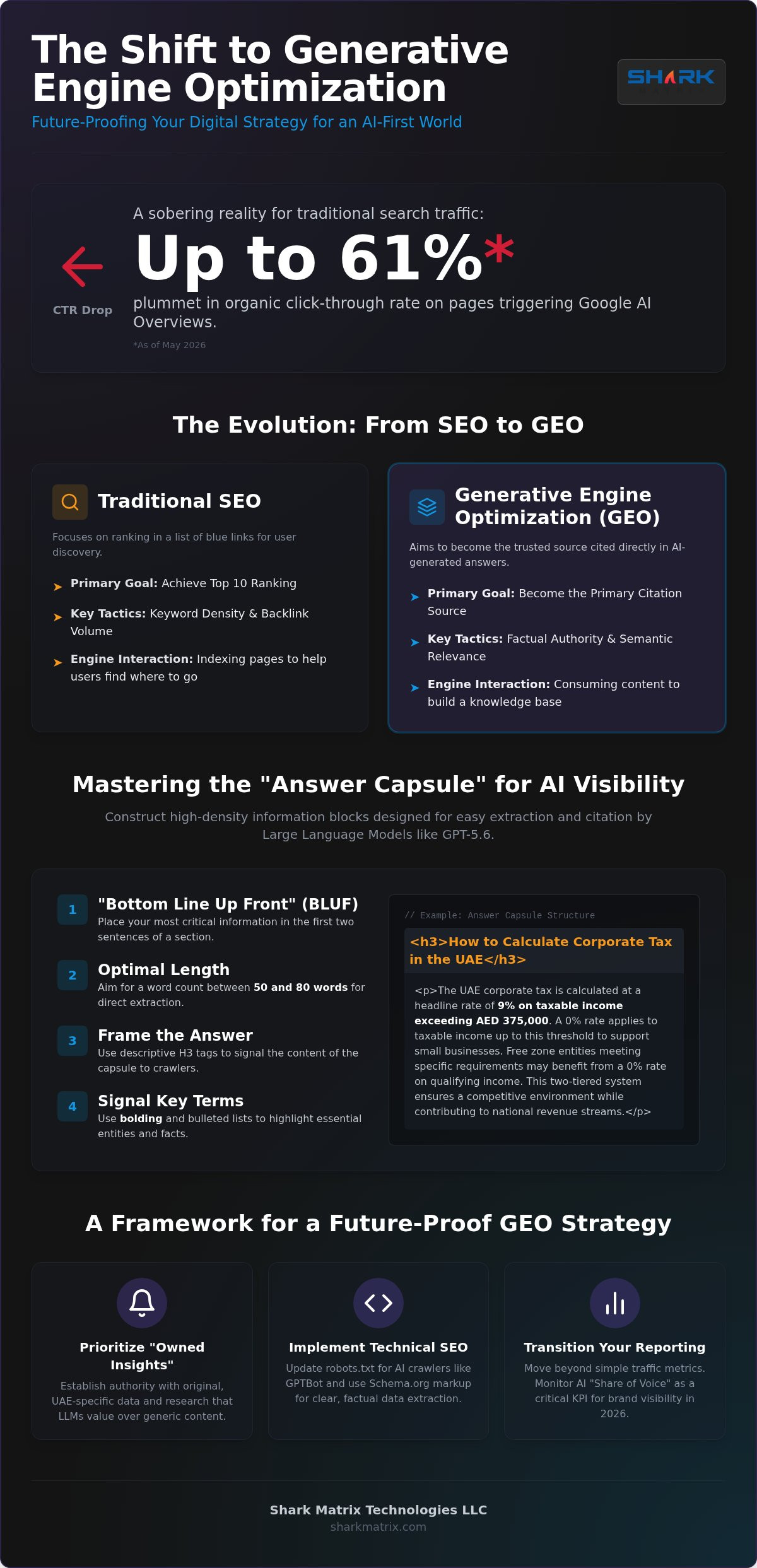
The concept of the “Answer Capsule” is central to this shift. These are self-contained blocks of information that provide immediate value without requiring additional context. While traditional SEO often encourages long-form content to keep users on the page, GEO requires you to be concise. Understanding how to optimize for generative engines involves stripping away the fluff and focusing on data accessibility. If you’re looking to improve your visibility, our generative engine optimization services can help you audit your current content structure.

While internal linking is a staple of traditional search strategy, it presents a unique paradox for AI citations. If a potential citation block is cluttered with too many links, the AI might struggle to parse the primary facts. This “Link Density” paradox means that over-optimizing for user navigation can actually hurt your citation chances. Keeping your core answer blocks clean and text-heavy is a critical step in mastering how to get cited by ChatGPT.

Structuring the Perfect Answer Capsule

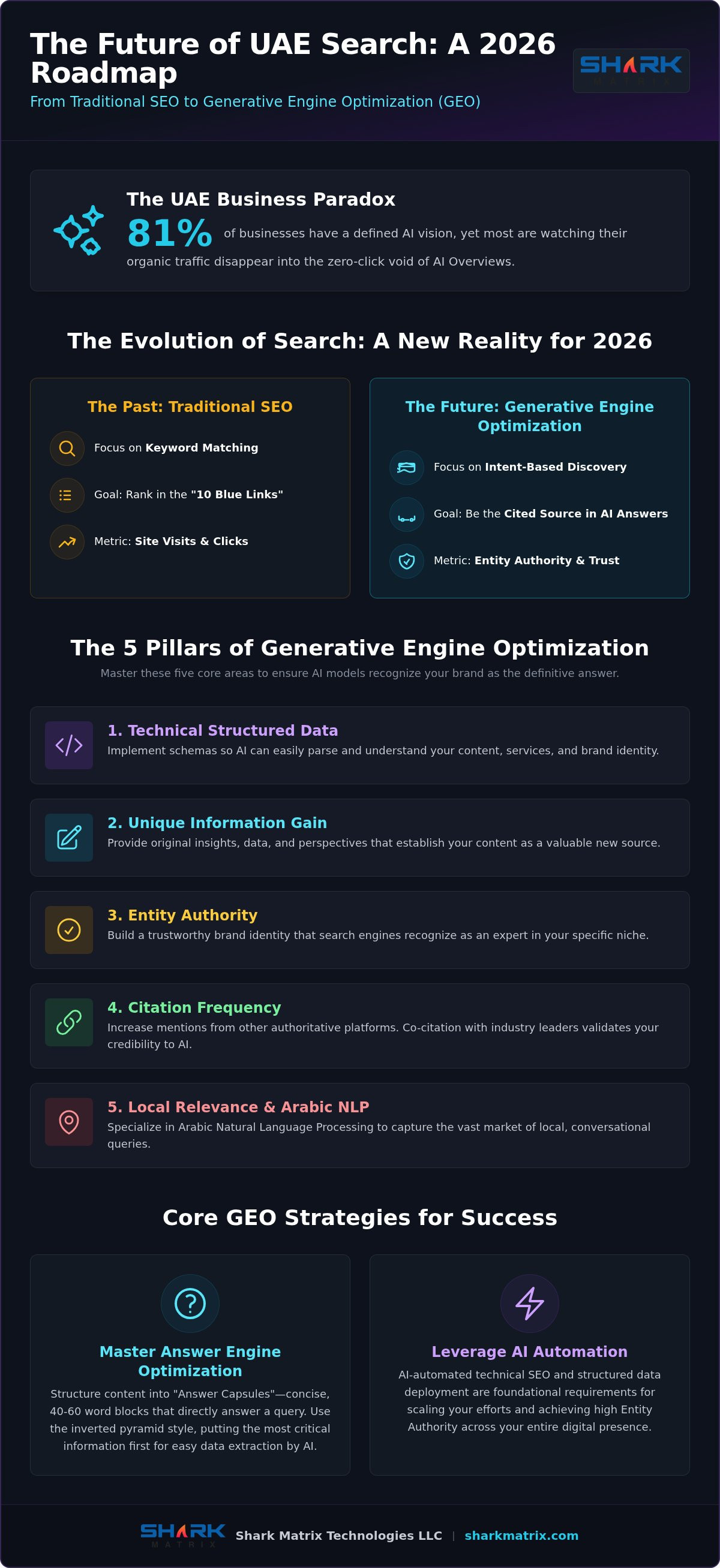
An Answer Capsule should ideally appear within the first 150 words of a section to ensure the AI crawler identifies it early. Clarity is your most important metric here. Avoid marketing jargon or ambiguous language that could lead to model hallucinations. An answer capsule is a 40-60 word block of factual, non-promotional text. By placing these blocks strategically under clear H3 headings, you make it significantly easier for ChatGPT to extract and attribute your insights.

The Value of Proprietary Data and Insights

Proprietary data is the ultimate moat in the AI era. AI engines prioritize unique statistics and original research over repurposed “how-to” content that exists in thousands of other places. Data from Fuel Online in 2026 found that pages with a fact-to-word ratio higher than 1:80 are 4.2 times more likely to be cited in results. Using case studies and internal reports triggers the “Expertise, Authoritativeness, and Trustworthiness” (E-A-T) signals that LLMs use to verify sources. When you provide a specific number or a documented result, you become an irreplaceable source that the AI cannot simply synthesize from general knowledge.

How to Get Cited by ChatGPT: The 2026 Guide to Generative Engine Optimization (GEO)

AEO vs. Traditional SEO: Comparing the Strategies

Traditional SEO focuses on matching strings of text to specific search queries. Generative Engine Optimization (GEO) focuses on establishing your brand as a recognized entity. This is a seismic shift. Instead of just ranking for a term, you’re aiming to be cited as an authority. When you master how to get cited by chatgpt, you move from competing for a list of links to owning the narrative within a synthesized answer.

Backlink quantity, once the gold standard of digital marketing, is losing ground to citation quality and co-occurrence. AI models look for “consensus filters” to verify information. If your brand name consistently appears alongside specific facts on authoritative third-party sites like Reddit or Wikipedia, the model builds a stronger semantic association. User intent mapping also changes because you’re now optimizing for an AI bot that needs to parse your data in milliseconds to fulfill a user’s request.

The “user” in 2026 is often a retrieval agent. These agents don’t browse; they extract. This means your content strategy must pivot from engagement-first to extraction-first. If a bot can’t quickly identify the core facts of your page, it won’t include you in its response. Understanding how to get cited by chatgpt requires a deep commitment to entity-centric optimization where your brand is inextricably linked to the topics you want to own.

Technical Requirements for Generative Engines

Schema.org in 2026 is about more than just earning a few stars in a search result. It’s the primary language for defining entity relationships for LLMs. Using `FAQPage`, `Article`, and `Organization` markup helps models understand exactly who you are and what expertise you provide. Site speed and bot crawlability are non-negotiable. If GPTBot or OAI-SearchBot can’t access your content instantly, you won’t be part of the real-time synthesis. This is why modern website design and development services must prioritize technical AEO over mere visual aesthetics.

Measuring Success in the AI Era

Success in the age of AI requires new KPIs. Moving from “Position” tracking to “Share of Model” (SoM) allows you to see how often your brand is mentioned across various AI platforms. You can’t rely on traditional search consoles alone to see the full picture. You must identify referral traffic coming from ChatGPT, Claude, and Gemini by analyzing your server logs and specific referral strings. Brand sentiment within these responses is equally vital. If an AI cites you but frames your service incorrectly, your GEO strategy needs adjustment to refine the data the models are consuming.

5 Steps to Get Your Content Cited by ChatGPT

Execution is where many brands fail in the AI era. While understanding the theory of GEO is helpful, you need a repeatable process to secure your place in ChatGPT’s responses. This five-step framework transforms your existing expertise into a format that AI models can easily retrieve and attribute. If you’re wondering how to get cited by chatgpt, the answer lies in decreasing the “cognitive load” for the model. You must make it easier for the bot to find, verify, and quote your information than it is to synthesize a generic answer from other sources.

  • Step 1: Identify High-Probability Citation Queries in your niche.
  • Step 2: Engineer Answer Capsules with minimal internal link friction.
  • Step 3: Implement Advanced Schema for LLM Contextualisation.
  • Step 4: Publish Original Research or Data-Driven Insights.
  • Step 5: Monitor and Optimise based on AI Referral Data.

Step 1 & 2: Identifying and Engineering Content

Begin by identifying citation gaps in your niche. Use “People Also Ask” sections in search engines and direct AI prompts like “What are the most common misconceptions about [Topic]?” to find areas where current AI answers are vague or outdated. Once you’ve identified a query, you must engineer an Answer Capsule. Craft a citation-ready summary of 40-60 words at the very top of every pillar page to serve as the primary extraction target for LLM crawlers. This block should use an objective, neutral tone. AI models are programmed to avoid bias; therefore, promotional language or superlative claims will often disqualify your content from being used as a source.

Step 3 & 4: Technical and Data Foundations

In 2026, basic Schema is the bare minimum. To stand out, implement advanced types like FactCheck and Dataset. These signals tell the LLM exactly what kind of data you’re providing and why it should be trusted. If you’re publishing original research, format your data into clean HTML tables rather than images or complex PDFs. LLMs ingest structured tables with much higher accuracy than unstructured text. Partnering with a specialized content marketing agency uae can help ensure your research is both high-quality and technically optimized for these engines. Original data remains the most powerful trigger for citations because it provides a unique fact that the AI cannot find elsewhere.

Finally, monitor your AI referral data. Despite the importance of GEO, only 16% of brands systematically track their performance in AI search according to 2026 Erlin data. Use your server logs to track hits from GPTBot and analyze the specific queries driving traffic from AI interfaces. This allows you to refine your Answer Capsules based on what is actually working. If you’re ready to future-proof your digital presence, explore our generative ai development services to start building your own data moat today. Mastering how to get cited by chatgpt is a continuous process of testing, measuring, and refining your brand’s digital footprint.

Future-Proofing Your Brand Authority with Shark Matrix Technologies LLC

In 2026, brand authority isn’t just about what you say; it’s about what the AI says about you. As organic traffic continues to shift toward AI-synthesized answers, national brands must pivot to an AI-first digital strategy. Integrating seo for brand reputation management dubai into your GEO efforts ensures that when an AI cites your brand, it does so in a way that protects and enhances your reputation. This intersection is where long-term visibility is won or lost in an increasingly automated world. Shark Matrix Technologies LLC serves as a strategic partner in this transition, moving beyond simple ranking to total brand protection.

Advanced AI Development and SEO Integration

Custom AI automation tools are no longer optional. They’re necessary to audit your digital footprint for citation readiness at scale. In the regional landscape, the importance of Arabic digital marketing cannot be overstated. AI models are increasingly sophisticated in processing regional languages, and brands that optimize for both English and Arabic will see a significant advantage in the Middle East. By leveraging ai automation and development, Shark Matrix Technologies LLC helps you scale your AEO efforts across multiple channels and languages without sacrificing precision or technical compliance.

Getting Started with GEO

Your journey toward AI authority begins with a comprehensive SEO audit. This isn’t just about finding broken links; it’s about evaluating how an LLM perceives your entity. Technical baselines like robots.txt updates and llms.txt implementation can often be completed within a month. However, the content work required to build consistent citations is a longer effort, typically taking half a year to a full year to show significant results. Mastering how to get cited by chatgpt now creates a foundation that will withstand the next wave of model updates scheduled for late 2026. Shark Matrix Technologies LLC is ready to guide your enterprise through this evolution.

The search landscape has fundamentally changed. We’ve moved from competing for clicks to competing for citations. To win, brands must shift from keyword density to fact density and implement technical frameworks like llms.txt and advanced Schema. Mastering how to get cited by chatgpt is the only way to ensure your brand remains visible in a world of synthesized answers. By engineering Answer Capsules and prioritizing original data, you secure a position that traditional SEO can no longer reach.

Shark Matrix Technologies LLC is a pioneering AI automation agency with deep expertise in Answer Engine Optimization and technical SEO specifically for the UAE market. We help you navigate these complex shifts to ensure your brand’s voice is the one the AI chooses to amplify. Master AEO and GEO with Shark Matrix Technologies LLC today to future-proof your digital presence. The era of AI search is here. Don’t let your brand get left behind in the archives of the old web; start building your data moat now.

Frequently Asked Questions

What is Generative Engine Optimization (GEO)?

GEO is the process of optimizing web content to be retrieved, synthesized, and cited by AI models like ChatGPT or Claude. It shifts the focus from traditional ranking to becoming a trusted source for generative AI responses. This involves technical signals like llms.txt and content strategies that prioritize factual density and clear semantic structure. By making your data more accessible, you ensure that AI agents can accurately parse your brand’s unique insights.

Does ChatGPT use my current SEO keywords to find citations?

ChatGPT uses semantic relevance and entity recognition rather than simple keyword matching to select its sources. While keywords help define the topic, the AI prioritizes content that provides a direct answer to the user’s intent. Traditional keyword stuffing can actually hinder your chances by lowering the fact density the model looks for when deciding how to get cited by chatgpt. Instead, focus on providing high-value information that fulfills specific user needs.

How long does it take to see citations from ChatGPT after optimizing?

Technical updates like robots.txt or llms.txt changes can be crawled within days, but earning consistent citations usually takes 6 to 12 months. This timeline reflects the time needed for the AI to verify your brand’s authority through third-party consensus and updated retrieval cycles. It’s a long-term strategy focused on building a durable data moat. You should monitor your server logs to track how frequently AI bots are accessing your updated content.

Can I pay to get cited by ChatGPT or other AI engines?

No, there is no “pay-to-play” model for organic citations within ChatGPT’s main chat interface as of mid-2026. Citations are earned based on the quality, relevance, and technical accessibility of your content. While you can use PPC management for traditional search visibility, AI engine citations remain purely merit-based and tied to your brand’s established authority. This ensures that the AI provides the most accurate and helpful information to its users without commercial bias.

Why is my brand mentioned by ChatGPT but not linked to?

Mentions without links often occur when the AI synthesizes your brand name from its internal training data rather than a real-time web search. To turn a mention into a citation with a link, you must ensure your content is accessible to GPTBot and structured for live retrieval. This is a key part of learning how to get cited by chatgpt through active web browsing. Technical signals help the AI bridge the gap between its training memory and the live web.

Do I need special Schema markup to get cited by LLMs?

Yes, specific Schema types like Organization, FAQPage, and Dataset are essential for helping LLMs parse your site’s structure. These tags act as a translation layer that defines your data for the AI’s retrieval system. Without this structured data, the model might struggle to identify your brand as the definitive source for a specific fact or dataset. Proper implementation ensures your content is categorized correctly during the retrieval-augmented generation process.

Categories
GEO

What is Generative Engine Optimization? The 2026 Guide to GEO

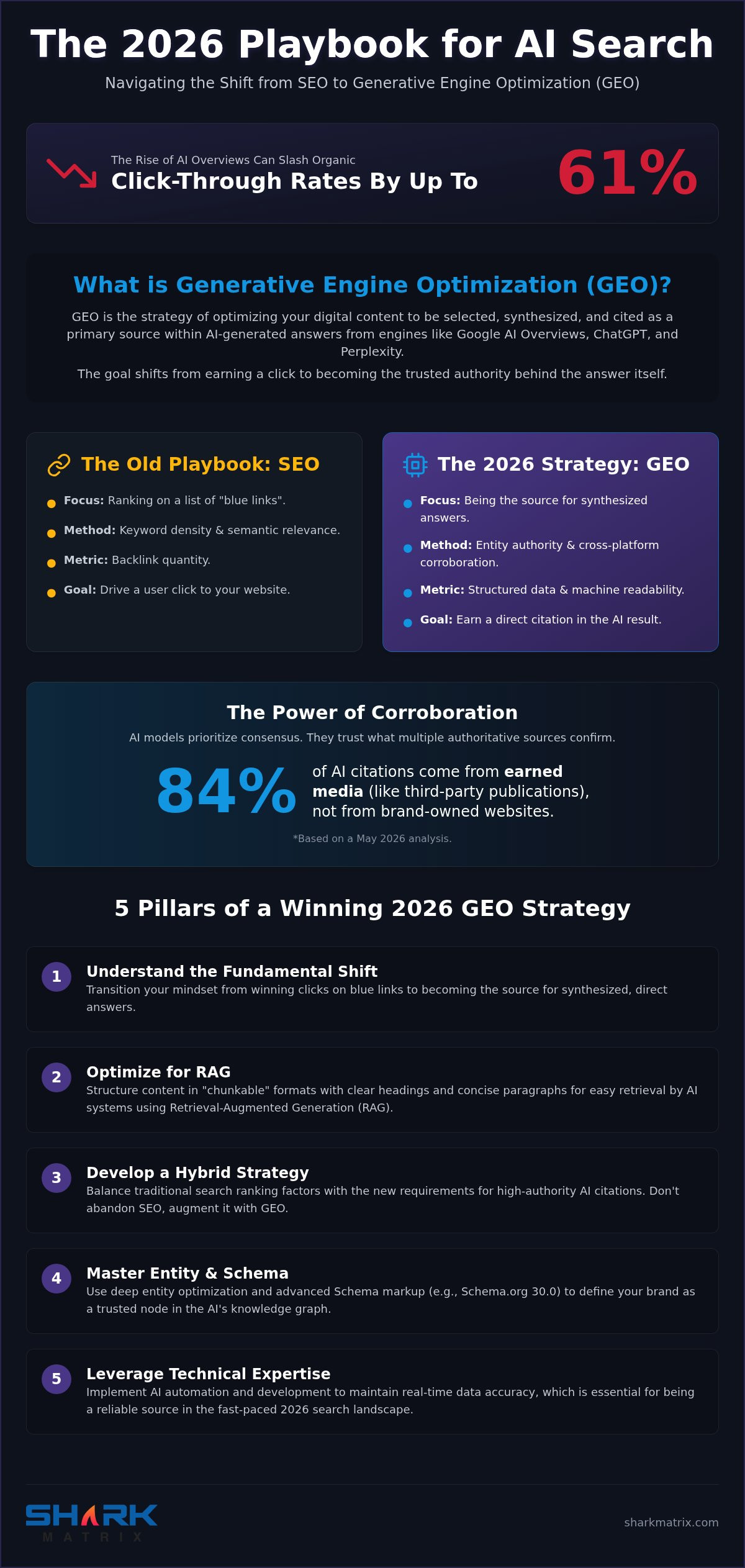
Organic click-through rates have plummeted by 61% for queries where AI Overviews appear, leaving many brands wondering if their traditional rankings even matter anymore. With zero-click rates reaching as high as 83% for some searches, the digital landscape has fundamentally shifted. To stay relevant, you must understand what is generative engine optimization and how it transforms your content from a simple search result into a cited source for AI models like GPT-5.5 and Gemini 3.5 Pro.

You’ve likely felt the frustration of seeing your traffic dip while AI engines synthesize your information for the user. It’s a common fear that traditional SEO efforts are becoming obsolete as LLMs take center stage. However, while the mechanics are changing, the opportunity for high-value traffic remains. AI-referred traffic currently converts at 14.2%, which is significantly higher than the 2.8% average for traditional search.

This guide promises to help you master the transition from ranking first to being cited often. You’ll learn a clear roadmap for adapting your content for LLMs and how to maintain brand authority when the user never leaves the search page. We will also dive into the metrics you need to track to measure success in this new, zero-click environment.

Key Takeaways

  • Learn exactly what is generative engine optimization and how to pivot from competing for rankings to becoming a trusted source for AI-synthesized answers.
  • Understand the role of Retrieval-Augmented Generation (RAG) in AI search and how to structure your technical data for better visibility.
  • Discover the specific content formats, such as conversational Q&A and expert citations, that AI engines prioritize when generating summaries.
  • Find out how to balance traditional SEO with new GEO tactics to protect your brand authority as search transitions into agentic “Action Engines.”

Demystifying Generative Engine Optimization (GEO) in 2026

By June 2026, the digital marketing world has moved beyond the traditional list of blue links. Understanding what is generative engine optimization starts with recognizing that search engines have evolved into “Answer Engines.” Generative engine optimization (GEO) is the strategic practice of structuring and optimizing your digital content so it is easily digestible by Large Language Models (LLMs). Instead of just trying to rank on page one, you’re now trying to ensure your brand’s expertise is part of the final answer an AI provides.

Platforms like ChatGPT, which holds a 60.7% share of the AI search market, and Google Gemini have changed how users interact with information. In early 2026, Google AI Overviews appeared in nearly 55% of all searches. Users no longer want to click through five different websites to find a solution. They want a single, synthesized response that answers their query immediately. This shift has birthed a new metric: Citation Equity. This refers to the value your brand gains by being cited as a primary source within an AI-generated summary. Brands cited in these overviews earn 35% more organic clicks than those that are left out.

The Core Difference: Answer Engines vs. Search Engines

Traditional search engines acted like a librarian pointing you to a shelf. Answer engines act like the expert who has already read the books and is summarizing the key points for you. User intent has shifted from simply “finding” information to “understanding” complex topics and “executing” tasks. Conversational queries are now the standard. People ask questions like “How do I scale my SaaS in a high-interest environment?” rather than typing “SaaS scaling tips.” This requires content that doesn’t just list facts but provides a narrative that AI models can easily process and relay.

Terminology Breakdown: GEO, AEO, and LLMO

The industry uses several terms that often overlap, which can lead to confusion for many business owners. Answer Engine Optimization (AEO) is a specific subset of GEO focused on providing direct, concise answers to specific questions. Large Language Model Optimization (LLMO) focuses more on the technical side, ensuring models can crawl and interpret your data efficiently. While national digital agencies often use these terms interchangeably, they all fall under the umbrella of making your brand visible in an AI-driven world. GEO is the most comprehensive term, covering the entire transition from search rankings to AI citations.

The Paradigm Shift: How GEO Differs from Traditional SEO

Traditional SEO was built on a “Winner Takes All” ranking system where businesses optimized for position one to capture the lion’s share of traffic. However, the rise of generative search has introduced a “Synthesized Source” model. In this environment, AI engines pull data from multiple authoritative sites to create a single, cohesive answer. This shift is critical to understanding what is generative engine optimization. Instead of a single winner, the AI selects the most reliable contributors to build its response, making your brand’s role as a primary data source more valuable than a simple link.

The impact on user behavior is measurable. While AI Overviews directly claim the top of the page, even queries without these summaries saw a 41% decline in traditional engagement as users shifted their expectations toward direct answers. This data underscores why relying solely on legacy ranking strategies is a risky move in 2026. Modern marketing requires a focus on semantic relevance and relationship mapping. It is no longer just about keyword density; it’s about how your information connects to the broader web of knowledge. This practical guide to Generative Engine Optimization highlights how brands must now optimize for the “black box” of AI algorithms.

Unlinked brand mentions have also gained significant weight in AI visibility. In the past, a backlink was the primary currency of authority. Today, LLMs process the entire web to understand your reputation. If a reputable industry report discusses your expertise without linking to your site, the AI still recognizes that association and may use it to inform its answers. This semantic understanding means your digital footprint across the entire web, not just your own domain, determines your visibility in AI-generated summaries.

From Keywords to Entities: The Semantic Evolution

AI models interpret the world through “Entities”—concepts, brands, and people—rather than simple text strings. By building a robust Knowledge Graph, you help these engines understand exactly how your business relates to specific industry solutions. Modern search engine optimization seo services now prioritize this entity-based approach. If you’re looking to integrate these advanced strategies into your workflow, exploring our generative ai development services can help automate the creation of the structured data that LLMs crave.

Measuring Success in a Zero-Click World

Position 1 is no longer the only KPI that matters for growth. In a zero-click environment where the majority of users find their answers without leaving the search page, you need new metrics. Understanding what is generative engine optimization success involves tracking Share of Model (SoM) and Citation Frequency. These metrics measure how often your brand is mentioned or cited by models like GPT-5.5. Shark Matrix Technologies LLC helps brands track these metrics alongside brand sentiment to ensure your reputation remains positive in an automated search world.

What is Generative Engine Optimization? The 2026 Guide to GEO

The Anatomy of AI Visibility: How Generative Engines Process Content

To truly master what is generative engine optimization, you must understand the technical bridge between a static AI model and the live web. This bridge is known as Retrieval-Augmented Generation (RAG). While traditional search engines simply retrieve a list of relevant pages, RAG allows models like GPT-5.5 and Gemini 3.5 Pro to fetch real-time information from the internet and synthesize it with their internal training data. This means your latest industry report or service update can appear in an AI response even if it wasn’t part of the model’s original training set released months ago.

AI models crawl the web differently than the traditional bots of the early 2020s. Traditional search bots like Googlebot focus on indexing pages based on keyword density and link equity. In contrast, AI “fast-bots” are designed to extract semantic meaning and intent. They don’t just look for words; they look for the relationships between concepts. This makes structured data, specifically Schema.org and JSON-LD, the Rosetta Stone of the 2026 search landscape. By providing clear, machine-readable context, you’re giving the AI the exact “ingredients” it needs to bake your brand into its final answer.

Another critical component of what is generative engine optimization is the distinction between a model’s training set and live search capabilities. A model’s training set is its foundation, but live search is how it stays current. When a user asks a question about a trending topic, the AI doesn’t just rely on its memory; it performs a rapid search to find the most authoritative, recent data available. If your site isn’t technically optimized for these high-speed retrieval agents, you’ll be left out of the synthesis entirely.

E-E-A-T in the Age of Artificial Intelligence

Experience, Expertise, Authoritativeness, and Trust (E-E-A-T) are more vital now than ever before. AI engines verify “Trust” by cross-referencing your content against thousands of other authoritative sources. If your site makes a claim that contradicts the consensus of other high-authority domains, the AI will likely flag it as unreliable. Maintaining a consistent narrative through national brand protection strategies ensures that AI agents don’t receive conflicting information about your business from third-party sources.

Technical Infrastructure for GEO-Ready Websites

Optimizing for AI agents requires a shift in technical priorities. Site speed is no longer just about user experience; it’s about making your content accessible to AI “fast-bots” that need to pull data in milliseconds. Implementing advanced JSON-LD is essential to define complex business relationships, such as how your leadership’s expertise connects to your core services. Many forward-thinking brands are also moving toward API-first content delivery, ensuring their data is structured and ready for AI agents to consume without the “noise” of traditional web design elements.

Core Strategies for Optimizing Content for Generative AI

Building a GEO strategy requires moving beyond the “set it and forget it” mentality of old SEO. When businesses ask what is generative engine optimization in a practical sense, they’re often looking for a checklist of content changes. The most effective change is adopting a conversational, Q&A-style structure for your primary service pages. This mirrors how users interact with AI assistants, making it easier for models like GPT-5.5 to extract and present your information as a direct answer. Natural language headers should replace rigid, keyword-stuffed titles to better reflect the way real people speak to their devices.

AI engines prioritize primary sources. By March 2026, data showed that AI-referred traffic converted 42% better than non-AI traffic for US retail sites. To capture this high-intent audience, you must integrate original statistics, proprietary research, and expert quotes into your articles. This turns your content into a “Primary Source” that LLMs cite to add credibility to their synthesized responses. Consistent brand messaging across all digital touchpoints is equally vital. When your message is uniform, it reinforces the AI’s learning and increases the likelihood of your brand being recognized as an authority in its field.

The Power of Citations and Secondary Sources

Brand citations are the new backlinks in 2026. AI doesn’t just look at who links to you; it looks at who talks about you. High-authority industry mentions reinforce your brand’s footprint even without a direct hyperlink. Digital PR is now a core component of GEO, ensuring your brand appears in the training sets and live search results of major AI engines. This strategy builds a digital footprint that AI engines can’t ignore, positioning your brand as a consensus-backed expert.

Optimizing for Multi-Modal AI Search

Search is no longer just text. Users are using voice and images to find solutions. Descriptive alt-text and structured video data help AI models “see” and “hear” your content. This is especially important for “Agentic Commerce,” where AI agents make purchasing decisions on behalf of users. If your technical data isn’t structured for these agents, you’re missing out on a massive segment of automated transactions. If you’re ready to build an AI-ready infrastructure, explore our generative ai development services to get started.

Future-Proofing Your Digital Presence with AI-First Marketing

Survival in the 2026 market demands a hybrid approach. You can’t abandon traditional SEO, but you also can’t ignore the generative shift. A successful strategy balances the “blue links” that still drive roughly 80% of total digital queries with the high-converting citations found in AI Overviews. This balance is the true answer to what is generative engine optimization. It is about maintaining visibility across the entire spectrum of user intent, from casual browsing to specific, high-intent questions that require synthesized answers.

We are witnessing a rapid transition from “Search Engines” to “Action Engines.” This is known as Agentic Search. In this new era, AI agents don’t just provide information; they execute tasks. An agent might compare three service providers and then proceed to book a consultation or sign up for a trial. To thrive, your brand must be positioned as the “Recommended Action.” This means your data must be structured so clearly that an AI agent can confidently make a decision on behalf of the human user. Shark Matrix Technologies LLC bridges this gap by integrating our SEO expertise with advanced AI development and automation. We build platforms that aren’t just readable by humans but are actionable for machines.

The Role of Custom AI Development

Custom AI development plays a pivotal role in modern brand management. Forward-thinking brands are now building internal tools to monitor how LLMs perceive them in real-time. By using machine learning development services, companies can predict which content pieces are most likely to be synthesized by engines like GPT-5.5 Instant. There is a powerful synergy between AI automation and national marketing growth. When you automate the monitoring of your digital footprint, you can pivot your content strategy as soon as an AI model’s sentiment or citation frequency shifts.

Staying Ahead of the Algorithm: What’s Next After GEO?

The “Post-Search” era is approaching. This is a world where AI proactively delivers information before a user even types a query. Your smart assistant might suggest a specific service because it knows your business needs based on previous interaction patterns. In this highly automated world, maintaining human-centric authority is your greatest asset. AI can synthesize data, but it can’t replicate lived experience or a unique brand voice. Mastering what is generative engine optimization ensures your human expertise remains at the core of every automated response. Partnering with an agency that understands the full AI stack is no longer optional; it is a requirement for longevity in an agentic world.

Leading the AI Search Evolution

The digital landscape of 2026 demands more than just traditional visibility. You’ve seen how the transition from simple search results to synthesized AI citations has changed the rules of engagement. Success now depends on your ability to feed LLMs structured, authoritative data that they can trust. By mastering what is generative engine optimization, you position your brand at the center of the AI’s final answer rather than at the bottom of a forgotten list of links.

Adapting to this agentic world requires a partner that understands both the technical and creative sides of artificial intelligence. Shark Matrix Technologies LLC provides the expertise in AI automation and development needed to navigate these shifts. Our national-scale SEO strategies are designed specifically for the 2026 market, focusing on a data-driven approach to online reputation and citation growth. Shark Matrix Technologies LLC ensures your business isn’t just found; it’s recommended by the very engines your customers use every day.

Future-proof your brand with Shark Matrix Technologies LLC and our AI-driven SEO services and take control of your digital narrative. The era of generative search is full of potential for those ready to lead. Let’s build your future-ready platform together.

Frequently Asked Questions

Is Generative Engine Optimization (GEO) replacing traditional SEO?

No, GEO is not a replacement for traditional SEO. It’s an evolution that expands your strategy to include how Large Language Models synthesize your information. While traditional SEO still manages site health and link equity, GEO focuses on making your content digestible for AI agents. You must integrate both to maintain visibility in the 2026 search market.

How do I know if my website is appearing in AI Overviews?

You can track AI visibility by monitoring Google Search Console’s performance reports or using specialized AI-tracking dashboards. Look for impressions and clicks specifically attributed to AI Overviews. Since these summaries appear in approximately 55% of searches as of early 2026, tracking your citation frequency is essential for measuring your brand’s digital reach.

Will AI search engines stop sending traffic to my website entirely?

AI search engines will not stop sending traffic, but they will change the volume and intent of your visitors. While zero-click searches have increased, AI-referred traffic converts at a rate of 14.2%, which is much higher than the 2.8% average for traditional search. The focus has shifted from high-volume clicks to capturing high-intent users who need deeper expertise.

What are the most important ‘ranking factors’ for GEO in 2026?

The most critical factors for understanding what is generative engine optimization success include citation frequency, entity relationship mapping, and structured data. AI engines prioritize content that provides original data, statistics, and expert quotes. Being recognized as a primary source is now the most important benchmark for digital authority and visibility.

Do I need a special technical setup to optimize for ChatGPT and Gemini?

Yes, you need a technical infrastructure that prioritizes machine readability. This involves implementing advanced JSON-LD schema to define complex business relationships and ensuring your site is accessible to AI “fast-bots.” An API-first content delivery model is also recommended to help these engines retrieve your data more efficiently than traditional crawling methods allow.

How does conversational AI change the way I should write my blog posts?

Conversational AI requires you to structure your blog posts to mirror natural human dialogue. Use headers that phrase topics as specific questions and provide direct, authoritative answers in the following paragraphs. This Q&A-style format makes it easier for AI models to extract your expertise and present it as a cited answer to a user query.

Can I use AI to generate the content I’m trying to optimize for AI engines?

You can use AI as a tool, but purely AI-generated content often fails the E-E-A-T requirements that generative engines prioritize. LLMs cross-reference information across multiple sources to verify trust. If your content lacks original insights or human expert perspectives, it’s unlikely to be cited. Human oversight is mandatory to maintain your status as a reliable primary source.

How much does a professional GEO strategy cost for a national brand?

The investment for a professional GEO strategy varies based on the size of your digital footprint and the complexity of your industry. National brands typically require a deep audit of their technical infrastructure and a complete overhaul of their content strategy to meet AI standards. You should consult with a specialist to determine the specific scope and resources needed for your brand’s growth.