
Categories
SEO

SEO for Tourism Companies in Dubai: The 2026 National Growth Strategy

Did you know that failing to secure a mandatory Advertiser Permit could cost your Dubai tourism business up to 1 million AED in fines? With the UAE Media Council’s 2026 regulations now in full effect, the stakes for digital visibility have never been higher. You’ve likely felt the immense pressure of competing against massive global aggregators that dominate high-intent search results. It’s frustrating to watch potential guests bypass your site for third-party platforms when your local expertise offers far more value. Mastering seo for tourism companies in dubai is no longer just about keywords; it’s about managing a complex regulatory and technological environment to protect your brand.

This article will help you dominate the UAE market by implementing the latest AI-driven strategies and the 2026 National Growth Strategy to drive consistent direct bookings. We’ll examine how to leverage the growth of the 175 million Arabic internet users, optimize for generative engine results, and ensure your mobile conversion rates finally match your ambition. You’ll gain a clear roadmap to build authority and outpace the competition in the $1.2 billion UAE search market.

Key Takeaways

  • Discover how the shift from traditional search to multi-channel discovery requires a new approach to targeting high-intent keywords in the UAE tourism sector.
  • Learn to optimize your digital presence for AI-powered travel recommendations through Generative Engine Optimization (GEO) and technical site speed improvements.
  • Understand why authentic Arabic localization is the non-negotiable key to mastering seo for tourism companies in dubai and capturing the regional market.
  • Identify the specific experience-driven content strategies and UX design elements that transform organic traffic into confirmed direct bookings.
  • Explore how integrating AI automation and data-driven growth strategies can streamline your lead generation and scale your brand authority across the Emirates.

The Competitive Landscape of SEO for Tourism Companies in Dubai

The digital arena for travel in the UAE has transformed into a multi-layered ecosystem. Traditional search engines are no longer the sole gatekeepers of discovery. Today’s travelers often begin their journey on visual discovery platforms or through conversational AI before ever typing a query into a search bar. For businesses, this means seo for tourism companies in dubai must evolve beyond simple keyword targeting. You’re no longer just competing with the tour operator down the street; you’re competing with global platforms and sophisticated algorithms that prioritize instant, relevant answers.

Success in this environment requires a deep understanding of the 2026 traveler. These users are mobile-first and heavily reliant on AI assistants to filter through the noise. They don’t just want a list of options; they want a curated experience that matches their specific lifestyle. Generic strategies often fail here because they don’t account for the unique cultural and economic nuances of Dubai’s tourism economy. To stand out, your brand must demonstrate authority across multiple touchpoints while maintaining a technical edge that caters to modern search behaviors.

The Shift to Intent-Based Search

Search behavior has moved from broad terms like “Dubai tours” to highly specific, experience-driven queries. A traveler from London might search for “luxury yacht rentals with sunset views,” while a domestic resident might look for “last-minute staycation deals in Hatta.” Mapping the customer journey is essential. You need to capture interest at the inspiration stage with engaging content, then provide the technical clarity needed to secure a confirmed booking. Understanding these variations in intent allows you to create a content map that guides the user from curiosity to conversion without friction.

Why National Brands Need a Specialized Approach

Global travel aggregators have massive budgets and high domain authority, making it difficult for local firms to rank for broad terms. However, local brands have an advantage: authentic, on-the-ground expertise. By focusing on niche authority and localized search signals, you can bypass the aggregator wall. It’s about highlighting what makes your service unique rather than trying to outspend the giants. For those looking to build a solid foundation, reviewing a comprehensive SEO services guide can provide the necessary context for scaling a national tourism brand. Specialized SEO ensures your unique value proposition doesn’t get lost in a sea of generic listings.

Technical Excellence and Generative Engine Optimization (GEO)

The technical foundation of your digital presence determines whether search engines, and now AI models, can actually process your offerings. While traditional ranking factors still matter, 2026 has introduced Generative Engine Optimization (GEO) as a critical pillar for success. For seo for tourism companies in dubai, this means your site must act as a structured data source that AI travel assistants can rely on for real-time recommendations. Without a clean, machine-readable architecture, your brand remains invisible to the very tools travelers use to plan their itineraries.

Core Web Vitals remain the heartbeat of user experience. Speed isn’t just a ranking signal; it’s a direct conversion factor. Travelers planning trips often switch between multiple tabs and apps. If your itinerary page takes more than two seconds to load, you’ve likely lost that booking to a faster competitor. Implementing advanced caching and image optimization is essential for national scalability, ensuring your site performs flawlessly regardless of the user’s location or device.

Structured data via Schema.org is your secret weapon in 2026. By explicitly tagging your tour itineraries, pricing, and availability, you provide search engines with a clear map of your services. This increases the likelihood of appearing in rich snippets and AI-generated travel plans. Consider these essential technical elements:

  • Schema Markup: Use specific tags for events, local businesses, and product offers to highlight live pricing.
  • Dynamic Rendering: Ensure that heavy JavaScript elements in your booking engine don’t block search bots from indexing your content.
  • Internal Linking: Build a logical hierarchy that guides both bots and users from high-level destination pages to specific booking forms.

Winning the AI Search Result

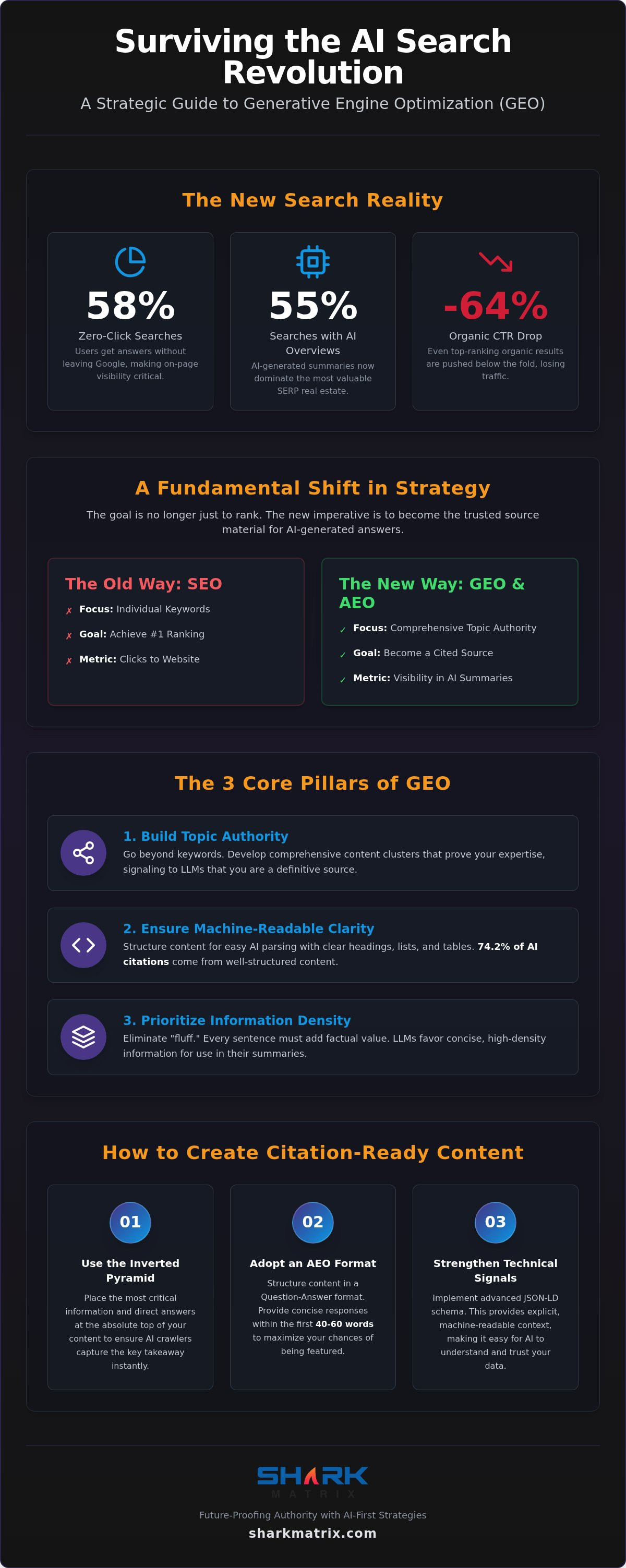
AI travel assistants don’t browse websites like humans; they extract entities and facts. To win these results, your content must be fact-dense. Use clear, declarative sentences that state exactly what your tour includes. Instead of saying “We offer great desert safaris,” use “Our 6-hour Dubai desert safari includes dune bashing, camel riding, and a traditional BBQ dinner.” This precision allows LLMs to categorize your service accurately. If you want to stay ahead, exploring specialized generative engine optimization services can ensure your brand is the first choice for AI-driven queries.

Mobile-First Technical SEO

Most travelers in Dubai are searching on the go, often on mobile networks that may vary in speed. Your site must be optimized for these high-latency environments. This is where the synergy between website design and development services and SEO becomes apparent. A robust technical audit should focus on streamlining complex booking engine integrations. If your checkout process is clunky on a smartphone, your organic traffic won’t translate into revenue. Prioritize lightweight code and responsive layouts to maintain a competitive edge.

SEO for Tourism Companies in Dubai: The 2026 National Growth Strategy

The Power of Arabic Digital Marketing in the National Tourism Sector

Many digital agencies overlook a critical segment of the market. With over 175 million Arabic internet users globally, focusing solely on English content leaves a massive revenue gap. For seo for tourism companies in dubai, localizing your presence isn’t just about translating text. It’s about capturing the cultural nuances of the Middle Eastern traveler. High-value visitors from the GCC often search in their native language, expecting a seamless experience that respects their linguistic preferences. If your site doesn’t speak their language, you’re essentially invisible to some of the most affluent travelers in the region.

Translating intent is far more valuable than translating words. A direct translation of an English keyword often misses the mark because search habits vary across cultures. For instance, while an English speaker might look for “adventure tours,” an Arabic speaker might use terms that emphasize family-friendly luxury or specific cultural heritage sites. This is why a comprehensive approach to seo for tourism companies in dubai must prioritize Arabic content that resonates with regional search patterns. Understanding these subtle shifts in intent allows you to build stronger brand authority. You aren’t just a service provider; you’re a local expert who understands the traveler’s specific needs and values.

Arabic Keyword Research Strategies

Identifying high-volume regional terms requires more than just a software tool. Most English-centric platforms miss the specific phrasing used by travelers in Saudi Arabia or Kuwait. You have to balance Modern Standard Arabic for broad reach with regional dialects to build a personal connection. This strategy ensures you’re visible for the specific experience-based queries that drive high-intent traffic. It’s about being where the conversation is already happening in the local tongue, capturing interest that competitors simply ignore.

Localization and Brand Authority

Localized content does more than just help you rank; it builds deep trust. When a traveler sees testimonials and social proof in their own language, their confidence in your brand increases significantly. This approach should be a core part of your brand reputation management strategy. By addressing potential concerns and highlighting regional successes in Arabic, you create a protective layer for your brand. It’s a proactive way to ensure your reputation remains spotless across all linguistic segments of the UAE market.

Strategy for High-Conversion Tourism Content and UX

Ranking on page one is only half the battle. If your landing page doesn’t immediately reassure a potential guest, they’ll bounce back to the search results. This is where seo for tourism companies in dubai shifts from a technical exercise into a psychological one. You need to align your content with the user’s emotional state. Are they dreaming, planning, or ready to pay? High-conversion content doesn’t just describe a tour; it answers the unspoken objections that prevent a booking, such as safety concerns, hidden costs, or transport logistics.

The synergy between UI/UX design and organic rankings is undeniable. Search engines analyze behavioral signals like dwell time and click-through rates. A cluttered interface or a confusing navigation menu signals to Google that your site isn’t providing value. By streamlining the user journey, you improve both your SEO and your bottom line. Visual storytelling, particularly through high-quality video, is a powerful tool to keep users engaged. It allows them to visualize the experience before they arrive, which helps keep them on your page longer and improves your authority in the eyes of search algorithms.

The 5-Step Content Conversion Framework

To turn readers into customers, follow a structured approach that prioritizes the user’s needs. First, identify the traveler’s primary pain point, such as “is this desert safari suitable for young children?” Second, provide a detailed, authoritative solution in the form of a guide. Third, integrate social proof and real-time availability directly within the text to build trust. Fourth, ensure your Call-to-Action (CTA) is optimized for mobile users who want to book instantly. Finally, align your content calendar with peak travel seasons to capture demand when it’s highest. If your current site isn’t turning visitors into guests, our content marketing services can help you build a strategy that converts.

Visual SEO for Travel Brands

In the tourism sector, an image is often the deciding factor for a booking. Optimizing high-quality imagery for Google Image search by using descriptive alt text and specific Dubai landmark names can drive significant traffic. Implementing video Schema is also vital; it ensures your promotional clips appear in video carousels, giving you more real estate on the search results page. However, you must balance these high-resolution visuals with technical performance. Visual load speeds are a major factor in user retention. If your beautiful video gallery takes too long to load, your potential customer will find another provider with a faster site.

Scaling Your Tourism Brand with Shark Matrix Technologies LLC

Implementing a high-level strategy requires more than just a list of keywords. It demands a technical infrastructure that supports rapid growth and the ability to adapt to changing search algorithms. Shark Matrix Technologies LLC provides a data-driven framework specifically designed for the UAE’s competitive search landscape. Our team doesn’t just focus on visibility; we focus on the entire conversion funnel. By integrating ai automation services and industry specific ai solutions, we help tourism firms streamline their lead generation and respond to potential guests in real-time. This approach ensures your business remains agile as traveler behaviors evolve.

Our methodology for seo for tourism companies in dubai centers on measurable outcomes. High rankings are a means to an end, but the real goal is increasing direct bookings through your website. Shark Matrix Technologies LLC provides custom reporting that tracks these conversions across every touchpoint, from the initial AI discovery to the final payment. This transparency ensures you always know the exact ROI of your marketing spend. You won’t have to guess which strategies are working; the data will show you exactly where your growth is coming from.

Choosing a full-service partner means your technical development and marketing efforts work in perfect harmony. When your generative engine optimization (geo) strategy is backed by a robust web architecture, the results are amplified. We bridge the gap between complex backend systems and high-impact content marketing. This synergy is what allows national brands to scale effectively without losing the personal touch that travelers value.

Why Shark Matrix Technologies LLC for Tourism SEO?

Our expertise spans both technical development and high-impact marketing. We maintain a dedicated focus on the UAE national market, understanding the specific regulatory requirements like the 2026 Advertiser Permit. Our proven track record in driving measurable ROI for travel firms comes from our deep understanding of regional dynamics. We don’t offer cookie-cutter solutions; we build custom strategies that highlight your brand’s unique value proposition in a crowded marketplace.

Ready to Dominate the National Market?

The first step toward market leadership is a comprehensive SEO audit. This identifies the technical gaps and content opportunities that your competitors are likely missing. A strategic SEO partnership is a long-term investment in your brand’s digital real estate. By securing top rankings and building authority now, you protect your business against future market shifts. Contact our experts at Shark Matrix Technologies LLC today for a tailored tourism growth roadmap and start your journey toward consistent, direct bookings.

Leading the Next Era of UAE Tourism Growth

The shift toward AI-powered travel discovery and localized Arabic content is no longer a luxury. It’s a fundamental requirement for survival. By integrating technical excellence with experience-driven content, your brand can bypass the dominance of global aggregators. Implementing a robust strategy for seo for tourism companies in dubai ensures you capture high-intent travelers at the exact moment they’re ready to book. Success in this landscape requires a blend of cultural nuance and technical precision that resonates with the modern traveler.

Since 2010, we’ve helped firms navigate the unique complexities of the UAE market. Our team combines end-to-end digital marketing with deep software engineering expertise to deliver results that matter. We specialize in Arabic digital marketing and AI automation to give your business a decisive edge. Partner with Shark Matrix Technologies LLC for Expert Tourism SEO Services and start building your custom growth roadmap today. The future of Dubai’s tourism is digital, and your brand deserves to be at the forefront of that journey.

Frequently Asked Questions

How long does it take to see results from SEO for a tourism company?

Most tourism businesses begin seeing measurable organic growth within four to nine months of starting a dedicated campaign. While technical fixes can provide quick wins in site speed and indexability, building authority for competitive keywords takes time. Consistency is key because search engines need to verify your brand’s reliability before moving you past established global aggregators.

What is the difference between SEO and PPC for the travel industry?

PPC offers immediate visibility through paid ads, which is perfect for seasonal promotions or last-minute bookings. SEO builds a sustainable foundation that lowers your long-term cost per acquisition. In the travel industry, a balanced approach often works best, using PPC for instant results while seo for tourism companies in dubai secures your brand’s future organic dominance.

Do I really need Arabic SEO if my website is already in English?

English content only reaches a portion of your potential audience in the UAE and wider Middle East. Arabic SEO allows you to tap into a market of over 175 million users who prefer searching in their native language. It builds trust with local and GCC travelers who are often looking for specific cultural experiences that English-only sites might fail to convey accurately.

How does AI search change the way tourists find my business?

AI search, or Generative Engine Optimization (GEO), changes discovery by providing direct, conversational answers instead of a list of blue links. Tourists now use AI assistants to plan entire itineraries in seconds. If your data isn’t structured for these engines to extract, your tours won’t appear in the curated recommendations generated by these modern search tools.

Can SEO help reduce my dependency on third-party booking platforms?

SEO is the most effective way to reclaim your profit margins from global booking platforms. By ranking for high-intent queries, you guide travelers directly to your own website where they can book without you paying high commission fees. This direct relationship also gives you more control over the customer experience and long-term brand loyalty.

What are the most important SEO factors for a new travel website in 2026?

In 2026, the most critical factors are mobile performance, structured data, and user intent alignment. Your site must load instantly on mobile networks to prevent bounces. Additionally, using Schema markup for itineraries and pricing helps search engines understand your specific offerings, making you more likely to appear in rich snippets and AI-driven travel recommendations.

How much should a tourism company invest in SEO monthly?

Investment levels vary based on whether you are targeting a local Dubai audience or an international market. Factors that influence your monthly budget include the number of languages you support, the competitiveness of your niche, and the technical complexity of your booking engine. A strategic investment should cover both technical maintenance and high-quality content production to ensure growth.

Is technical SEO more important than content for travel agencies?

One isn’t more important than the other; they must work together for success. Technical SEO ensures search engines can crawl and index your site, while content provides the value that keeps users engaged. For travel agencies, a technically perfect site with poor content won’t convert, and great content on a slow, broken site will never be found.

Categories
SEO

Mastering the SEO Audit Report: A 2026 Guide for National Brand Growth

What if your 50-page seo audit report is actually the reason your national brand is stalling? It’s a common frustration for marketing leaders who feel buried under a mountain of automated tool exports that flag every minor technical glitch but ignore the bottom line. You aren’t alone if you find it difficult to justify search spend to the C-suite when 60% of searches may end without a click due to the latest AI Overviews.

We’ll show you how to filter out the technical noise and transform that data into a high-impact roadmap for national search dominance. This guide provides a clear framework to prioritize the fixes that actually drive revenue while adapting to Google’s May 2026 Core Update. You’ll learn how to align your site’s technical health with your business goals, ensuring your strategy survives the shift toward generative engine optimization and AI-powered search.

Key Takeaways

  • Learn why a comprehensive seo audit report serves as a diagnostic health check for your digital infrastructure instead of just a list of tool-generated errors.
  • Balance technical foundation fixes with advanced on-page strategies like entity optimization to satisfy modern search algorithms.
  • Identify the “Context Gap” where automated tools fail and how expert analysis uncovers strategic flaws that hinder national growth.
  • Master the Impact vs. Effort matrix to prioritize critical blockers and high-value fixes that directly influence your brand’s revenue.
  • Explore how integrating AI automation and generative engine optimization can streamline your performance while future-proofing your search presence.

Beyond the Score: What a 2026 SEO Audit Report Really Reveals

Think of a modern seo audit report as a high-resolution MRI for your brand’s digital health. It’s no longer just a spreadsheet of broken links or missing meta descriptions. In an era where Google releases core updates every few months, like the significant rollout on May 21, 2026, a diagnostic health check must look deeper into your site’s infrastructure. It needs to evaluate how your code, content, and connectivity align with business revenue goals rather than just search engine checkboxes.

While Search engine optimization (SEO) has always required technical precision, the 2026 ecosystem demands more than just checking boxes. Many automated tools hand out “A+” grades like participation trophies. These scores are often misleading for national brands because they don’t account for competitive market dynamics or the nuance of the latest algorithm shifts. A site can have a perfect technical score and still fail to rank if its content lacks the entity depth required to satisfy Gemini-powered search results. Strategic interpretation is what transforms raw data into a roadmap for growth.

We’ve moved beyond keyword-only audits. Today, an effective seo audit report prioritizes entity-based optimization and AI-readiness. It’s about ensuring your brand is recognized as an authority by both human users and machine learning models. This involves analyzing how your site handles structured data and whether your technical foundation can support high-speed, AI-driven interactions.

The Evolution of SEO Auditing in the AI Era

With 60% of searches now ending without a click due to AI Overviews, your audit must address Generative Engine Optimization (GEO). It’s not just about traditional rankings anymore; it’s about being the primary source for Gemini 3.5 Flash. Your report needs to include Answer Engine Optimization (AEO) metrics to track how well your brand answers conversational queries. AI now helps us identify complex patterns in crawl data that human auditors might miss, allowing for faster fixes to deep-seated technical issues.

Why National Brands Cannot Rely on Generic Automated Reports

Generic tools often miss the technical debt that accumulates on enterprise-level sites with thousands of pages. They might flag a missing alt tag but ignore a crawl budget leak that’s costing your company thousands in organic revenue. National competition requires benchmarking against specific industry giants, not a generic checklist. A one-size-fits-all tool cannot tell you how to outmaneuver a specific competitor who is dominating the “zero-click” space in your niche.

The Anatomy of a High-Impact SEO Audit Report

A high-impact seo audit report serves as the structural blueprint for your brand’s digital growth. It breaks down into four essential pillars: technical foundation, on-page architecture, off-page authority, and user experience. This document isn’t just a list of errors. It’s a strategic analysis of how your site’s “plumbing” handles the demands of modern search engines while providing a seamless journey for national customers. By examining these components, you can ensure your digital infrastructure supports the high-speed, AI-driven interactions that define search in 2026.

Technical SEO: The Indexability Pillar

Large national websites often struggle with crawl budget efficiency. If Google’s bots spend too much time on low-value pages, your critical, revenue-driving content remains invisible. This is where technical seo consultant expertise becomes vital. They identify complex JavaScript rendering issues that standard crawlers often miss. Understanding How to Perform a Technical SEO Audit helps your team grasp why deep-level fixes, such as advanced schema markup and structured data, are necessary to stand out in Gemini-powered results.

Content and Entity Auditing

Content auditing in 2026 focuses on E-E-A-T and semantic depth. It’s no longer enough to have high word counts or keyword density. You need to identify “content decay,” where older pages lose relevance and dilute your overall domain authority. By mapping your site against a comprehensive on page seo checklist, you can ensure every piece of content serves a specific entity-based purpose. This process helps your brand maintain relevance even as AI-generated content accounts for over 17% of top search results.

Off-Page and Brand Reputation Analysis

Trust signals are more important than ever in a crowded market. Your comprehensive seo audit report should analyze your backlink profile for toxic patterns or low-quality AI-generated spam that could trigger a penalty. Tracking national brand mentions and sentiment helps gauge your online reputation, which directly influences your search authority. If you need a partner to bridge these technical and strategic gaps, our team at Shark Matrix can help align your SEO goals with high-performance web development and content marketing.

Finally, User Experience (UX) bridges the gap between technical health and business goals. Core Web Vitals and interactivity are no longer optional extras for ranking. If your site is slow or difficult to navigate, you’ll lose traffic regardless of your search positions. A modern audit evaluates how these UX signals influence your national presence and conversion rates.

Mastering the SEO Audit Report: A 2026 Guide for National Brand Growth

Automated Tools vs. Expert Analysis: Addressing the Value Gap

Automated tools like Semrush or AIOSEO are essential for modern data gathering. They process millions of data points faster than any human ever could. But a raw data export isn’t a strategic seo audit report. It’s just a list of observations. The “Context Gap” emerges when these tools flag thousands of technical non-issues, like missing alt text on decorative icons, while missing a critical strategic flaw that’s tanking your national brand’s visibility.

Human strategists act as a filter. They separate the noise from the signal. While a tool might give you a high score for having “correct” title tags, it won’t notice if those titles fail to capture the intent of your national audience. AI-only audits also struggle to understand the nuances of a competitive market. They can’t tell you how your brand’s unique value proposition compares to a rival who’s dominating the AI Overviews or how your site should adapt to the May 2026 Core Update.

When Automated Reports Fail National Brands

We’ve seen cases where a national brand maintained a 95% SEO score while their organic revenue plummeted. The tool saw technical perfection, but it didn’t see that the site architecture had become a labyrinth that blocked search bots from reaching new product launches. The danger of “fixing everything” is real. Without a prioritization framework, your development team could spend weeks on low-impact tasks while your site’s core revenue drivers remain broken. Tools simply can’t audit your brand’s specific business logic or how your site interacts with your internal CRM.

The ROI of Human-Led Strategic Audits

Expert analysis correlates technical findings with your bottom line. A strategist knows that fixing a JavaScript rendering issue on a top-tier landing page is worth more than updating 500 meta descriptions on archived blog posts. This human touch allows you to pivot quickly when Google rolls out updates. By aligning these insights with comprehensive search engine optimization seo services, your brand gains a roadmap that focuses on growth rather than just maintenance. You’ll spend your budget on the 20% of changes that drive 80% of your results.

Expert analysis also ensures your technical health supports your conversion goals. It’s one thing to have a fast site; it’s another to have a site that guides a national user from an AI-generated answer to a completed purchase. Human-led audits bridge that gap, ensuring your seo audit report translates into a roadmap for building a sustainable digital asset.

How to Execute and Prioritize Your SEO Audit Findings

Receiving your seo audit report is only the beginning. The real challenge lies in turning hundreds of data points into a manageable execution plan. Most automated tools just list errors by technical severity, but technical severity doesn’t always equal business impact. You need a strategy that weighs the potential for growth against the resources required to implement a fix. This prevents your team from getting bogged down in minor details while major revenue opportunities slip through the cracks.

Start by categorizing every finding using an Impact vs. Effort matrix. Your first priority must be “Critical Blockers.” These are issues that completely prevent search engines from indexing your site or cause frequent server crashes. Once these are resolved, align your remaining technical fixes with your most profitable pages. For example, ensuring your ecommerce seo services dubai strategy is supported by high-speed product pages will yield a better return than fixing a blog archive from three years ago.

A sustainable approach requires a 90-day implementation roadmap. This prevents developer burnout and allows for consistent progress. Finally, establish a clear baseline. You can’t measure progress if you don’t know where you started. Regular re-auditing ensures that new updates don’t accidentally break previous fixes. If you’re ready to turn your audit data into a high-performance growth plan, partner with Shark Matrix to streamline your implementation.

The “Quick Wins” vs. Long-Term Structural Fixes

Quick wins are the prioritization of fixes that require less than two hours but impact site-wide visibility. These might include optimizing title tags for high-traffic pages or cleaning up simple redirect loops. In contrast, long-term structural fixes, like a full site migration or restructuring your URL hierarchy, require careful planning and significant developer hours. Balancing these two categories ensures you see immediate momentum while building a stronger foundation for the future.

Translating Technical Data for Stakeholders

Presenting an seo audit report to the C-suite requires a shift in language. Executives don’t care about 404 errors; they care about how those errors impact the bottom line. Link your SEO health metrics directly to business KPIs like Customer Acquisition Cost (CAC) and conversion rates. Use data visualization to highlight the “Cost of Inaction,” showing exactly how much potential revenue is lost every month your site remains unoptimized. This helps justify the necessary investment in technical health.

Scaling Your National Brand with Shark Matrix Strategic Audits

A comprehensive seo audit report is more than a list of technical flaws. It’s the starting point for a long-term partnership aimed at achieving market leadership. At Shark Matrix, we take an end-to-end approach to digital marketing, ensuring that your search strategy isn’t siloed from your web development or content marketing efforts. We don’t just hand you a document and walk away. We provide the technical expertise and strategic vision needed to turn those findings into a dominant national presence.

Our integration of ai automation services allows us to solve inefficiencies that traditional audits often overlook. By utilizing machine learning development services, we can process massive datasets to identify patterns in user behavior and search engine shifts. This data-driven approach ensures your brand stays ahead of the competition, especially as search engines move toward generative engine optimization. Our focus on the UAE market gives us a unique edge. We understand the regional nuances that generic global agencies often miss, allowing us to tailor your strategy for maximum local and national impact.

Technical Excellence Meets Custom Software Engineering

One of the biggest hurdles in SEO is the “implementation gap.” You have the audit, but your developers don’t have the time or specialized knowledge to execute the fixes. Shark Matrix bridges this gap by leveraging our in-house web design and development team. Whether it involves fixing complex JavaScript rendering issues or optimizing your site architecture for rapid scaling, our engineers work alongside our SEO strategists. We even deploy custom ai development services to handle automated content auditing and entity mapping, ensuring your site remains perfectly aligned with E-E-A-T guidelines.

Your Next Steps Toward National Dominance

The search landscape of 2026 demands more than basic checklists. If you want to secure the best seo services in dubai, you need a partner who understands the intersection of technical health, AI readiness, and business growth. A generic audit won’t cut it when 60% of searches are ending without a click. You need a strategic roadmap that considers your specific revenue goals and competitive environment. Don’t let technical debt hold your brand back. Schedule your comprehensive 2026 SEO audit with Shark Matrix today. We’ll help you transform your seo audit report into a blueprint for sustained national dominance.

Future-Proof Your National Search Strategy

A 2026 seo audit report is no longer just a technical checklist. It’s a strategic roadmap that bridges the gap between complex digital infrastructure and tangible business growth. By moving beyond vanity scores and prioritizing high-impact technical fixes, you can ensure your brand remains visible in a search landscape increasingly defined by AI Overviews and entity-based relevance. Success in this era requires a balance between technical precision and business logic.

Shark Matrix has been a leader in the industry since 2010, bringing over a decade of national SEO experience to every project. We specialize in AI-driven SEO and custom technical implementations tailored for the unique Middle Eastern market. Our approach ensures your website doesn’t just function but excels in a competitive digital economy. We combine deep market expertise with the latest in machine learning to keep your brand ahead of algorithm shifts.

Ready to turn your data into a blueprint for success? Get Your Strategic SEO Audit Report from Shark Matrix and start your journey toward national dominance. Your brand’s future in search starts with the right insights and an expert partner.

Frequently Asked Questions

What is the most important part of an SEO audit report?

The most critical part is the prioritization matrix that connects technical findings to business revenue. While crawlability is foundational, a report that doesn’t rank issues by effort versus impact is just a list of data. It must highlight critical blockers that stop search engines from reaching your top-performing pages. This ensures your development team spends time on fixes that actually move the needle for your national brand.

How often should a national brand conduct a full SEO audit?

National brands should conduct a comprehensive audit at least twice a year, though quarterly reviews are better for competitive markets. With Google releasing core updates every three to four months in 2026, consistent monitoring is essential. Any major site migration or large-scale content launch should also trigger a deep-dive audit to catch technical debt before it impacts your rankings.

Can I perform an SEO audit myself without professional help?

You can use automated tools for basic data gathering, but they often miss strategic flaws. A professional seo audit report provides the “Context Gap” analysis that a plugin or tool can’t offer. Complex issues like JavaScript rendering or entity mapping usually require specialized technical expertise to identify and resolve correctly. Relying only on automated scores can lead to fixing non-issues while ignoring revenue-draining errors.

How long does it take to see results after implementing audit fixes?

You might see technical improvements in crawl rates within days, but ranking shifts usually take four to twelve weeks. The timeline depends on how quickly search engines re-index your pages and the competitive nature of your industry. Strategic changes, such as restructuring site architecture, often yield the most significant growth after three months of consistent performance. Patience is key as search engines validate your site’s improved health.

Will an SEO audit report help with my AI search visibility?

Yes, modern audits specifically evaluate your site for Generative Engine Optimization (GEO). Your seo audit report will analyze structured data, entity depth, and conversational content relevance. These factors are critical for appearing in AI Overviews and Gemini-powered results. Since a high percentage of searches now end without a traditional click, optimizing for these AI features is essential for maintaining national visibility.

What is the difference between a technical audit and a content audit?

A technical audit focuses on the “plumbing” of your site, like page speed, indexing, and security. A content audit evaluates the quality, relevance, and semantic depth of your messaging. While technical audits ensure search engines can read your site, content audits ensure humans and AI models find your information authoritative. Both are necessary to satisfy Google’s E-E-A-T guidelines and maintain a competitive edge.

How much does a professional SEO audit report cost for a national brand?

Costs vary based on site complexity and the depth of the analysis required. Comprehensive strategic audits for growing enterprises often range from $2,500 to $7,500. Large-scale eCommerce or national sites with thousands of pages can see costs exceeding $20,000 for a deep-dive review. You should check with specific service providers to get a quote that reflects your site’s specific infrastructure and business goals.

Does an SEO audit cover mobile app visibility as well?

Standard SEO audits focus on web visibility, but they often include mobile-friendliness and deep-linking to apps. If your brand needs to improve visibility within app stores, you should look for App Store Optimization (ASO) specifically. While we offer mobile app development and can ensure your web and app ecosystems work together, a web audit primarily targets search engine rankings. It’s important to check that your web and app strategies are aligned for national growth.

Categories
SEO

The 2026 On-Page SEO Checklist: Optimizing for Humans and AI Search

Did you know that 43% of websites still fail the 200ms threshold for Interaction to Next Paint (INP) in 2026? It’s frustrating to produce high-quality content only to see it buried because the technical goalposts moved again. With Google now rolling out core updates approximately every 90 days, staying visible requires more than just good writing. You’re likely looking for a way to maintain consistency across your site while ensuring you aren’t left behind by AI search. This comprehensive on page seo checklist provides the exact framework you need to satisfy both traditional algorithms and the latest generative engines.

We’ll show you how to master the essential factors that drive rankings today, from implementing Schema 30.0 to meeting the strict March 2026 spam update requirements. You’ll discover how to optimize for Answer Engine Optimization (AEO) and Generative Engine Optimization (GEO) so your brand becomes the cited authority in AI-generated responses. This guide previews the technical and creative shifts necessary to secure higher organic visibility and long-term search dominance in an AI-first world.

Key Takeaways

  • Learn why shifting from keyword matching to entity-based optimization is essential for ranking in 2026.
  • Use a modern on page seo checklist to verify that your HTML elements are fully optimized for humans and bots.
  • Master the latest image SEO techniques and performance standards to keep users engaged and reduce bounce rates.
  • Discover how Answer Engine Optimization (AEO) helps your content appear in AI-generated overviews.
  • Prioritize Information Gain to ensure your content provides unique value that machines cannot easily replicate.

What is On-Page SEO and Why It Matters in 2026

On-page SEO involves the precise optimization of individual web pages to rank higher and earn more relevant traffic in search engines. By 2026, the definition has expanded. It’s no longer just about where you place a keyword; it’s about how well your content satisfies user intent and maps to specific entities. Following a modern on page seo checklist ensures your site communicates clearly with both human readers and sophisticated AI search agents.

This foundation is critical for national digital marketing strategies, especially in competitive markets like the UAE. High-quality on-page signals act as a trust signal for brand authority. With Google’s March 2026 Core Algorithm Update placing a heavier emphasis on genuine expertise, your on-page elements must prove you aren’t just another generic voice. They must show you’re a leader in your field. This is why optimizing for humans and AI search simultaneously has become the standard for any brand looking to maintain its market share.

The Evolution of On-Page SEO: Traditional vs. Agentic

Search algorithms have evolved from simple pattern matching to deep semantic understanding. Today, AI agents crawl your site to extract facts, not just phrases. This agentic search environment means your content must be structured for machine extractability. If your data isn’t organized using the latest standards, like Schema.org version 30.0 released on March 25, 2026, you risk being invisible to AI answer engines. Static strategies fail because the average time between Google updates has dropped to just 90 days. You need an agile on page seo checklist to stay relevant in this fast-paced environment.

Key Benefits of a Rigorous On-Page Strategy

A disciplined approach to on-page factors delivers measurable business results. When you align your content perfectly with what a user is looking for, your click-through rates (CTR) naturally climb. You’re giving people exactly what they asked for. Beyond just getting the click, a solid strategy improves the actual experience on the page. Research shows that websites passing all three Core Web Vitals thresholds see a 24% lower bounce rate on average. This better alignment between intent and content doesn’t just help rankings; it drives the conversions that grow your business. Key benefits include:

  • Higher CTR: Compelling titles and meta descriptions act as organic ad copy.
  • Enhanced UX: Proper header hierarchy and fast loading times keep users engaged.
  • Better Alignment: Content that answers the user’s specific question reduces immediate exits.

Content Optimization: Beyond Basic Keyword Placement

Ranking in 2026 requires more than just sprinkling terms throughout a blog post. Your on page seo checklist must prioritize “Information Gain.” This concept involves adding unique value that doesn’t exist elsewhere on the web. Since Google’s March 2026 Spam Update specifically targets thin, low-value content, simply rehashing what’s already on page one is a recipe for invisibility. You need to provide fresh data, original case studies, or a unique expert perspective to satisfy both users and modern algorithms.

Identifying keywords still matters, but the focus has shifted toward national search volume and intent mapping. Every piece of content should align with one of the four intent types: Informational, Navigational, Commercial, or Transactional. For instance, if you’re looking to scale a brand, your page must answer the specific commercial or transactional questions a business owner has. This alignment is reinforced by E-E-A-T, where you demonstrate real-world experience and expertise to build trust with your audience. If you need assistance with these complex strategies, our ecommerce seo services provide a tailored approach for national growth.

Writing for Semantic Search and Entities

Modern search engines think in terms of topics and entities, not just strings of text. Instead of repeating a keyword, focus on the “Who, What, Where, and Why” of your subject. Natural language processing allows search engines to understand the relationships between different concepts on your page. By incorporating Latent Semantic Indexing (LSI) keywords naturally, you help search agents categorize your content accurately. If you need a reference for these technical requirements, checking a comprehensive on-page SEO checklist can help ensure you’ve covered all semantic bases.

Structuring Content for Maximum Readability

Engagement is a key ranking signal. Use the “Inverted Pyramid” style by placing your most critical information at the very beginning. This ensures that even if a reader only stays for ten seconds, they get the answer they came for. Keep your paragraphs short and use an active voice to maintain momentum. If you find this level of optimization daunting, our content marketing experts can help you craft high-performing assets. By using clear headings and internal links to related resources, you guide the reader through a logical journey that search engines can easily map and reward.

The 2026 On-Page SEO Checklist: Optimizing for Humans and AI Search

HTML and Structural Elements Checklist

While content is the heart of your page, the HTML structure is the skeleton that holds everything together. Search engines use these structural signals to understand the hierarchy and relevance of your information. A high-performance on page seo checklist must prioritize these elements to ensure that crawlers can easily parse your data and users can navigate your content without friction. In 2026, clarity in your HTML is more important than ever as AI agents look for specific data points to cite in their answers.

Your URL structure is the first thing both a user and a bot see. Keep your slugs short, descriptive, and keyword-rich. Avoid using random strings of numbers or dates that add unnecessary length. A clean URL like “example.com/on-page-seo-checklist” is far more effective than a convoluted path. While many focus on backlinks, a comprehensive SEO checklist reinforces that your on-page structure is the actual foundation of your organic visibility. If your site’s architecture is messy, even the best content will struggle to rank. Working with a technical seo consultant can help you identify and resolve the hidden structural issues that prevent search engines from crawling your site efficiently.

The Anatomy of a Perfect Title and Meta Tag

Title tags remain one of the strongest on-page ranking signals. You should place your primary keyword near the start of the title to give it maximum weight. However, don’t just write for bots. Use power words or numbers to create a compelling hook that improves your click-through rate. Your meta description should act as “ad copy” for your organic listing. While it isn’t a direct ranking factor, a well-crafted description encourages users to choose your link over a competitor’s. To avoid “keyword cannibalization,” ensure every page on your site has a unique title and meta tag tailored to its specific topic.

Header Tag Best Practices

Organization is key to readability. Use a logical H1-H6 hierarchy to guide the reader through your subtopics. The H1 tag serves as the singular core theme of your page, signaling to both readers and crawlers exactly what the content is about. You should only have one H1 per page. From there, use H2 tags for your main sections and H3 tags for supporting details within those sections. This structure doesn’t just help humans skim; it helps search engines understand the relationship between your primary topic and its supporting points. If you’re struggling to implement these structures at scale, our Web Design and Development services can help you build a site that is optimized by default.

Visual Asset SEO and User Experience Factors

Visual content is no longer just a decorative element; it’s a critical component of your on page seo checklist. In 2026, search engines and AI models aren’t just looking at your text. They’re analyzing your images and videos to understand the full context of your page. High-quality visual assets that load quickly are essential for keeping users on your site. When you provide a seamless visual experience, you reduce friction and encourage longer dwell times. This is especially vital as over 60% of web traffic now comes from mobile devices, where visual performance is often the deciding factor between a conversion and an exit.

User experience is now mathematically tied to your rankings through Core Web Vitals. As of May 2026, Google uses a composite score for these metrics. If you fail even one of the three core metrics, your visibility can suffer. Currently, 43% of websites fail the 200ms threshold for Interaction to Next Paint (INP). To stay competitive, your pages must hit the “good” thresholds: Largest Contentful Paint (LCP) under 2.5 seconds, INP under 200 milliseconds, and Cumulative Layout Shift (CLS) under 0.1. Passing these benchmarks isn’t just about technical vanity; websites that meet all three thresholds see a 24% lower bounce rate on average. If your site feels sluggish, our Web Design and Development services can help you build a high-performance platform that satisfies both users and search engines.

Optimizing Images for Search and AI

Every image on your site should be optimized for machine extractability. This starts with descriptive filenames and modern formats like WebP to ensure fast loading. Your alt text should be descriptive and functional, providing clear context for both accessibility and AI search bots. Additionally, using Image Schema helps search engines identify the specific subject matter of your visuals, increasing the chances of your content appearing in rich snippets or AI-generated answers. Always compress your files to maintain high visual quality without bloating your page weight.

Engagement Signals and On-Page UX

A well-optimized page guides the user toward their goal. Clear site navigation allows visitors to find relevant information quickly, which signals to search engines that your site is helpful. Avoid using intrusive pop-ups, particularly on mobile, as they disrupt the user journey and can lead to penalties under the latest spam updates. Instead, use multimedia like infographics or short videos to break up long blocks of text and increase engagement. Finally, integrate clear calls-to-action (CTAs) that lead the user to the next stage of the funnel. This ensures that your SEO efforts translate into actual business results.

Future-Proofing: Optimizing for AI and Answer Engines

The final pillar of a modern on page seo checklist involves preparing for a search environment where AI agents, not just humans, are the primary “readers” of your site. Answer Engine Optimization (AEO) is the practice of structuring your content so these agents can easily extract and cite your information in AI-generated overviews. While traditional rankings still drive significant traffic, appearing as a primary source in a generative answer is the new gold standard for national authority. This requires a shift from writing broad articles to creating precise, data-rich segments that machines can parse with high confidence.

To capture these opportunities, you must integrate “Snippet-Bait” into your layout. These are concise Q&A blocks or summary tables designed specifically for AI extraction. By providing a direct answer to a complex query within the first 50 words of a section, you increase the likelihood of being featured in rich snippets. Our search engine optimization seo services bridge the gap between these human and AI needs, ensuring your content remains readable while serving as a high-quality data source for generative engines.

Schema Markup: The Language of Search Engines

Explicit context is everything in 2026. Implementing JSON-LD structured data is no longer optional; it’s the primary way you tell search engines exactly what your content represents. Whether you’re using FAQ, Article, or Product Schema, you should always align with the latest standards, such as Schema.org version 30.0 released on March 25, 2026. This technical layer acts as a translator for AI agents, converting your creative prose into a structured format that machines can verify and display. Dominating SERP real estate today often depends on how well your FAQ schema answers long-tail conversational queries.

The Shark Matrix Approach to Modern SEO

National brands face the unique challenge of maintaining consistency across thousands of pages. We solve this by integrating ai automation services to audit and update on-page factors at scale, ensuring no page falls behind the 90-day algorithm update cycle. A bespoke on-page framework is necessary to balance brand voice with the technical rigors of generative engine optimization (geo). To ensure your audits translate into actionable growth strategies rather than overwhelming technical reports, review our seo audit report guide for national brand growth before your next site review. If you’re ready to ensure your site is fully optimized for the next generation of search, it’s time to take action. Audit your on-page SEO with the experts at Shark Matrix to secure your rankings and AI visibility.

Securing Your Search Presence in an AI-Driven Future

Success in the modern search landscape requires a dual focus on human engagement and machine readability. You’ve learned that mastering your on page seo checklist means more than just placing keywords; it’s about providing unique Information Gain and ensuring your site meets the strict Core Web Vitals thresholds. By aligning your content with Schema 30.0 and optimizing for Answer Engine Optimization (AEO), you position your brand as a primary source for both Google and generative AI agents.

Shark Matrix has been at the forefront of digital transformation since 2010. With 15+ years of regional expertise, we specialize in helping national UAE enterprises navigate complex algorithm shifts through AI-driven SEO and generative engine optimization. Don’t let your high-quality content go unnoticed by failing to adapt to these technical requirements. Download Our Full 2026 SEO Strategy Guide to stay ahead of the competition. The future of search is here, and with the right strategy, your brand can lead the way.

Frequently Asked Questions

What is the most important on-page SEO factor in 2026?

The most critical factor is satisfying user intent through original “Information Gain.” Search engines now prioritize content that adds unique value or fresh data to the conversation rather than simply rehashing existing information. While technical elements are vital, your ability to demonstrate genuine expertise and provide a clear answer to the user’s specific query is what ultimately drives rankings in a competitive landscape.

How long does it take for on-page SEO changes to reflect in rankings?

Most on-page changes begin to reflect in search results within a few days to several weeks. This timeline depends on your site’s crawl budget and how frequently search engines index your pages. High-authority sites with frequent updates often see changes faster. If you’ve implemented a comprehensive on page seo checklist, you can monitor your progress through search console tools to see how quickly bots pick up your structural improvements.

Can I do on-page SEO without technical knowledge?

You can certainly manage content-level optimizations, such as keyword placement and header organization, without deep technical skills. However, more advanced tasks like implementing JSON-LD Schema or optimizing for Core Web Vitals usually require professional assistance. For these structural elements, our web design and development team can ensure your site’s backend is as optimized as your front-end content.

How does on-page SEO differ for ecommerce websites?

Ecommerce SEO focuses heavily on product-specific data, faceted navigation, and transactional intent. You must ensure that every product page includes unique descriptions, high-quality images with descriptive alt text, and structured data for pricing and availability. This differs from informational content because the goal is to guide the user toward a purchase while helping AI shopping agents identify your inventory as the best match for a buyer’s needs.

Do I need to update my on-page SEO for AI search engines like Perplexity or ChatGPT?

Yes, you should adapt your strategy to include Answer Engine Optimization (AEO) and Generative Engine Optimization (GEO). These platforms look for highly structured, fact-dense content that they can easily extract and summarize. By following a modern on page seo checklist that includes Q&A blocks and clear data tables, you increase the chances of your brand being cited as a primary source in AI-generated answers.

What are the most common on-page SEO mistakes to avoid?

Common errors include keyword stuffing, using duplicate title tags, and neglecting the mobile user experience. Many businesses also forget to optimize their images or fail to use a logical heading hierarchy. These mistakes make it difficult for search engines to understand your page’s purpose and often lead to poor engagement from human visitors, which can negatively impact your long-term organic visibility. A thorough seo audit report can help you systematically identify and prioritize these issues before they compound into larger ranking problems.